

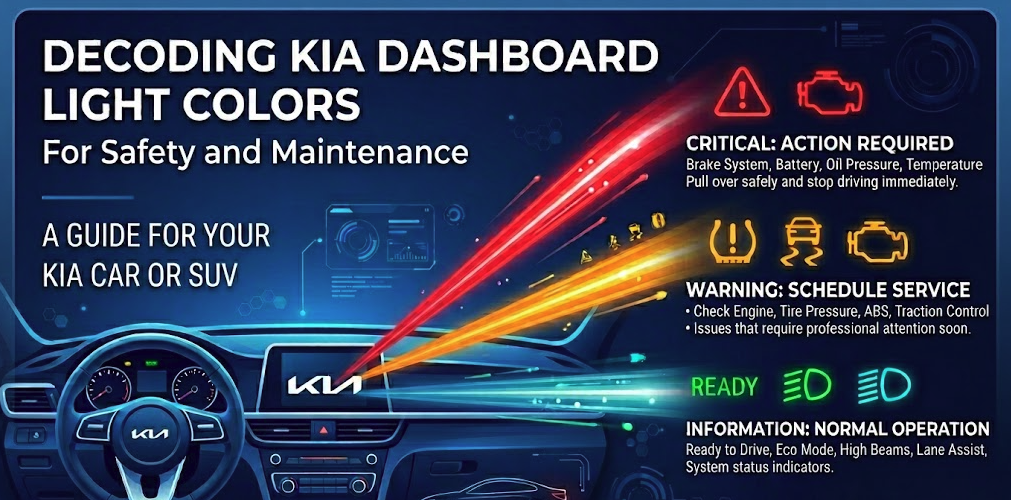
Decoding Kia Dashboard Light Colors for Safety and Maintenance
Kia vehicles utilize a strategic color-coded dashboard light system that helps drivers quickly assess the status of various vehicle functions and potential issues. Recognizing what these colors signify is essential for maintaining your vehicle’s health and ensuring your safety while on the road.
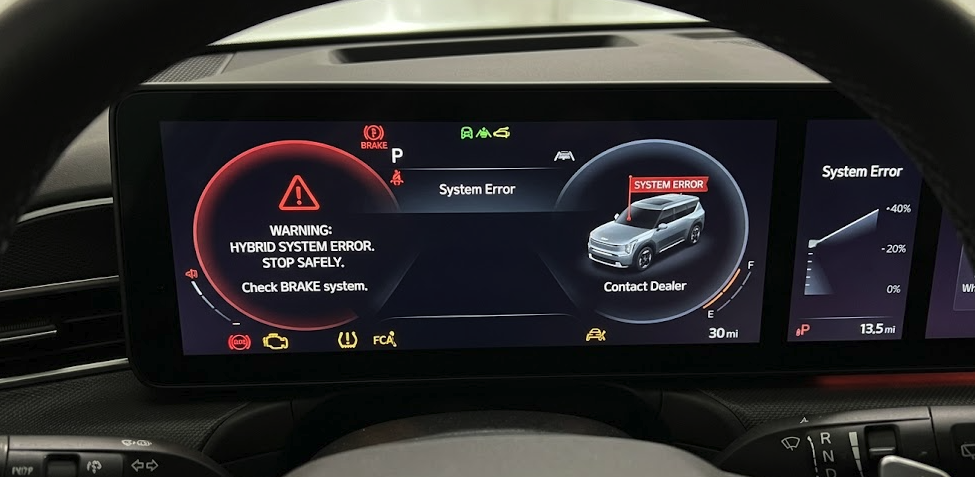
At the most urgent level, red dashboard lights indicate critical problems requiring immediate action. These lights warn of serious issues such as low engine oil pressure, brake system failures, or airbag malfunctions. When a red light appears, it’s imperative to stop driving as soon as safely possible to prevent damage or a hazardous situation. For example, the red oil pressure light means the engine is not receiving proper lubrication, and continuing to drive can cause severe engine damage. Similarly, a red brake warning light might suggest low brake fluid or a malfunction that greatly affects your vehicle’s stopping ability, posing a serious safety risk.
Table of Contents
- Decoding Kia Dashboard Light Colors for Safety and Maintenance
- Urgent Protocols When Red Dashboard Indicators Activate in Your Kia
- Solid Versus Flashing Check Engine Lights: Kia Owner Insights
- Understanding ABS and Electronic Stability Control Warnings on Kia Dashboards
- Managing Kia TPMS Alerts: Causes, Resets, and Sensor Replacements
- Critical Procedures for Responding to Kia’s Red Engine Oil Pressure Alerts
- Unique Dashboard Alerts in Kia Electric Vehicles: What the Turtle Light Indicates
- Frequent Dashboard Warnings: Common Causes and Preventative Care Strategies for Kia Models
- Benefits of Checking Kia Dashboard Lights Without Starting the Engine
- Advanced Dashboard Warning Technologies in the 2026 Kia Lineup
- Why Kia of Daphne Is Your Trusted Partner for Dashboard Light Diagnosis and Repairs
- Kia Dashboard Lights: The Color Code Guide
Yellow or orange lights typically serve as caution indicators. They highlight problems that should be addressed soon but do not usually require immediate cessation of driving. A common yellow light is the check engine warning, which can mean anything from a loose gas cap to a sensor malfunction affecting emissions. It is a prompt to schedule a diagnostic check to avoid more costly repairs down the road. Another frequent caution light is the Tire Pressure Monitoring System (TPMS) alert, which indicates tire pressure levels are outside the recommended range. Proper tire inflation is vital for efficient handling, fuel economy, and tire longevity, so paying attention to this light helps preserve your vehicle’s performance.
Green, blue, or white lights on your Kia’s dashboard usually represent system status confirmations rather than warnings. For instance, a blue light often shows that high beams are active, while green lights might indicate that cruise control or turn signals are engaged. These colors reassure you that certain features are operating correctly, allowing you to focus on driving safely.
Understanding this color hierarchy can help you respond promptly and appropriately to dashboard alerts. In Daphne, Alabama, if your Kia’s dashboard signals require service or inspection, the team at Kia of Daphne is ready to assist. You can Schedule Service Now to ensure your vehicle receives expert care. For planning regular upkeep, consult our Learn About Preventative Maintenance resource to keep your Kia running smoothly. If you’d like directions to our service center, click here to Get Directions to Kia of Daphne, or (251) 621-2277 to speak with our service experts directly.
By familiarizing yourself with the meaning behind each dashboard color and corresponding alert, you build confidence in managing your Kia’s needs proactively. This knowledge helps prevent minor concerns from turning into costly repairs and supports consistent vehicle reliability and safety on Daphne’s roads.
Schedule Service Now
Get expert help for dashboard warning lights and routine maintenance.
Schedule Service NowLearn About Preventative Maintenance
See how routine service helps keep your Kia running smoothly.
Learn About Preventative Maintenance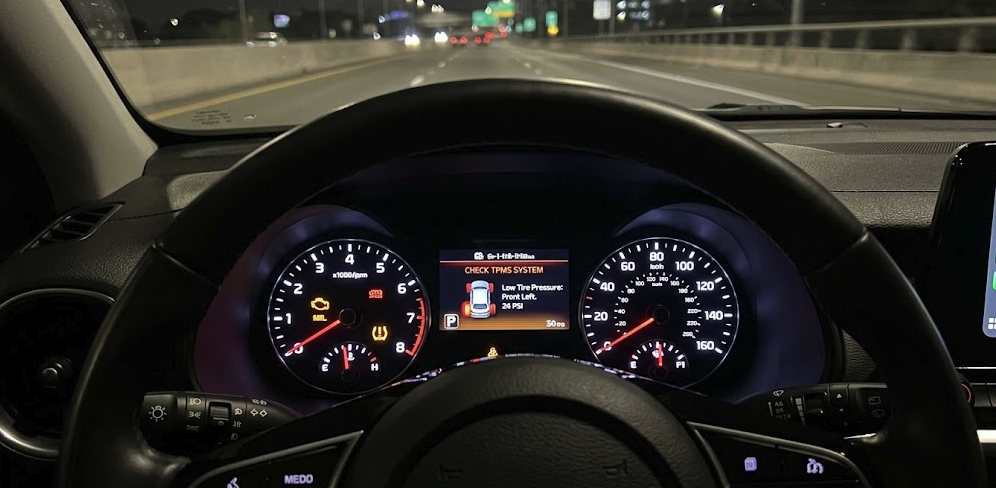
Urgent Protocols When Red Dashboard Indicators Activate in Your Kia
When a red warning light illuminates on your Kia’s dashboard, it signals a critical condition requiring immediate action. These lights are designed to catch your attention because they indicate serious malfunctions that could threaten your safety or lead to significant mechanical damage. Prompt response can prevent costly repairs and ensure your vehicle operates safely.
The first priority upon noticing a red dashboard light is to pull over safely as soon as possible. Continuing to drive risks further harm to your Kia and can jeopardize your well-being. For example, a red engine oil pressure warning means the engine is not receiving sufficient lubrication. Ignoring this may cause irreversible engine damage in minutes. Similarly, a red brake warning could imply dangerously low brake fluid or a failure in the braking system, reducing your car’s stopping ability.
Once stopped, consult the Kia owner’s manual to confirm the warning’s specific meaning and suggested immediate steps. Many red alerts need professional diagnosis, as they could involve complex systems requiring specialized tools to identify faults accurately. At this stage, avoid trying to drive further or performing repairs on your own unless you have the expertise.
If your vehicle’s red indicator relates to an urgent mechanical issue, arrange for professional assistance immediately. Contacting a certified Kia service center ensures technicians can provide precise diagnostics and repairs using authentic Kia components that maintain your vehicle’s integrity and warranty. Handling these warnings through expert service prevents escalation and supports long-term vehicle reliability.
For those interested in upgrading their vehicle while addressing urgent maintenance, browse our Shop Used Vehicles Priced Under MSRP or consider getting Get Pre-Approved For Credit for a smoother buying experience. When you’re ready, feel free to Schedule A Test Drive to explore your next Kia.
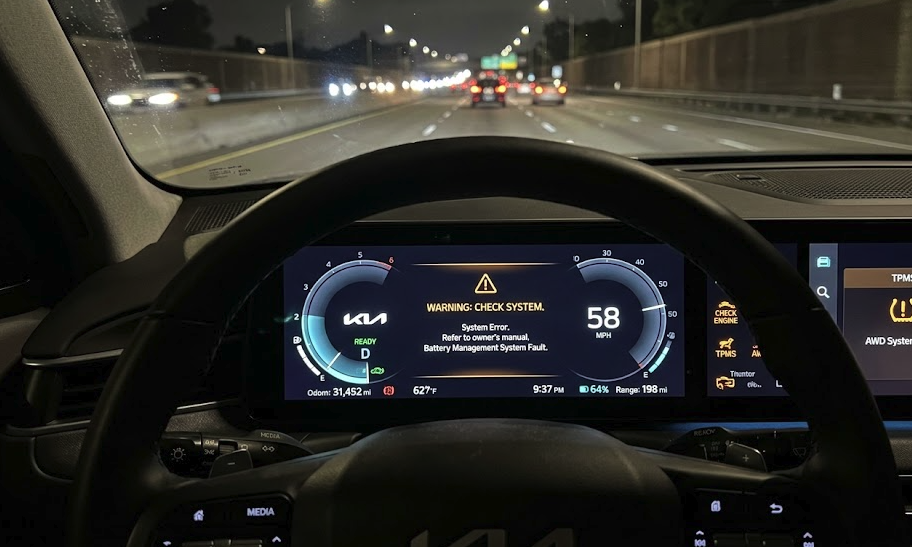
Taking immediate and informed action when red dashboard lights activate is crucial for your safety and your Kia’s longevity. Proper attention and professional care preserve vehicle function and your confidence every time you get behind the wheel.
Solid Versus Flashing Check Engine Lights: Kia Owner Insights
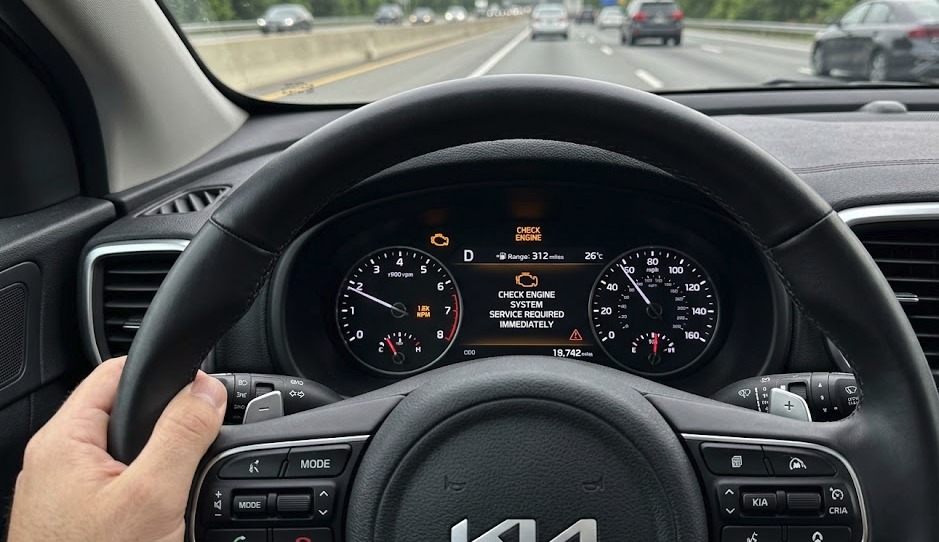
The check engine light on your Kia’s dashboard is an important indicator of your vehicle’s engine and emissions system health. Understanding the difference between a steady and a flashing check engine light can help you respond effectively and prevent serious damage.
A solid check engine light generally points to a non-immediate issue that the vehicle’s onboard computer has detected. Common causes include minor sensor malfunctions, a loose fuel cap, or slight irregularities in the emissions system. While the vehicle may still be drivable with a steady light on, it’s advisable to have a diagnostic check scheduled soon to identify and address the underlying problem before it escalates. Delaying service could result in reduced fuel efficiency or worsening mechanical conditions.
In contrast, a flashing check engine light warns of a more serious problem that requires urgent attention. This flashing often signals engine misfires, which can rapidly damage the catalytic converter—a critical and expensive emission-control component. Driving with a flashing light risks severe engine damage and potential safety hazards. When this happens, you should reduce speed, minimize acceleration, and arrange for professional inspection as soon as possible.
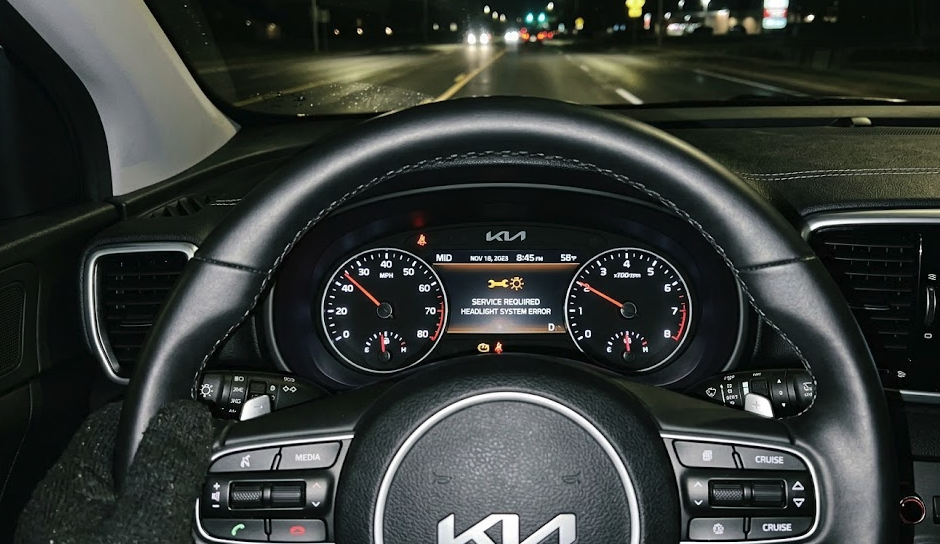
Kia vehicles benefit from advanced diagnostic technology that allows trained technicians to accurately pinpoint the cause behind any check engine light. Certified experts can replace faulty sensors, ignition parts, or emission control components using genuine Kia parts designed to maintain your vehicle’s warranty and performance standards.
If your check engine light changes from solid to flashing or remains illuminated after repairs, it’s important to revisit a qualified service center without delay. Kia of Daphne’s knowledgeable service team is available to assist you, ensuring your vehicle continues to operate safely and efficiently. For a convenient service experience or to explore your options for a quality used vehicle, browse our Browse Used Inventory or speak with our knowledgeable team at Meet Our Staff. Additionally, you can Explore Kia Financing Options to find a solution that fits your budget.
Understanding ABS and Electronic Stability Control Warnings on Kia Dashboards
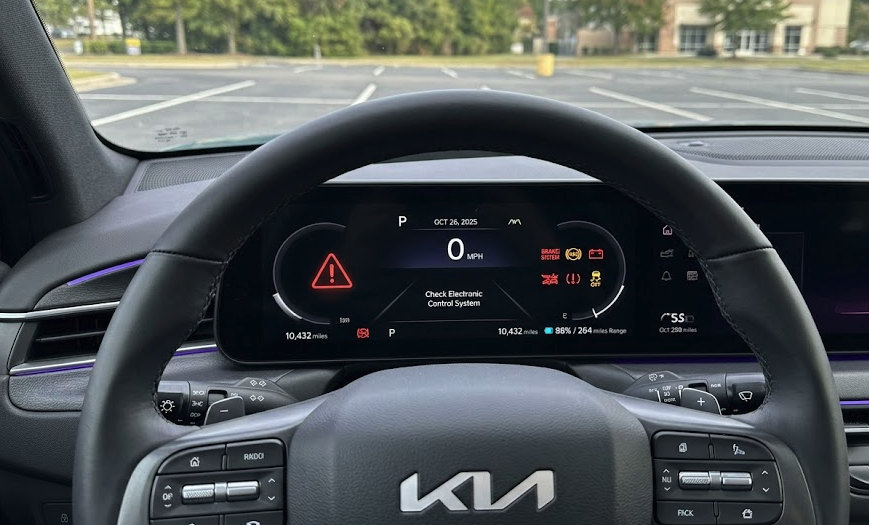
Your Kia’s Anti-lock Braking System (ABS) and Electronic Stability Control (ESC) lights are key to alerting you about critical safety features that help maintain vehicle control during challenging driving conditions. These indicators, typically yellow or amber, inform you when there is a malfunction or when the system is actively assisting to keep your Kia stable and secure.
The ABS warning light usually appears as “ABS” inside a circle and signals potential faults within the anti-lock brake system, which prevents wheel lockup during emergency braking. If this light stays illuminated, it could mean that the system isn’t functioning correctly, although your regular brakes will still work. However, loss of ABS can compromise your ability to steer during hard braking, especially on wet or slippery roads. It’s important to have the system inspected as soon as possible to restore full braking functionality.
Similarly, the ESC light, sometimes labeled as “ESC” or “ESP,” monitors your vehicle’s stability control system that helps prevent skidding or loss of traction in sharp turns or slippery surfaces. A flashing ESC light indicates that the system is actively intervening to maintain control, which is normal during challenging maneuvers. But if it remains steadily lit, that suggests a problem with the system’s components, such as sensors or wiring faults, potentially reducing your vehicle’s handling safety.
Since ABS and ESC systems rely on sensors, wiring, and control modules, timely diagnostics are essential for pinpointing failures. Certified technicians at Kia of Daphne use specialized tools to accurately diagnose these warnings and complete repairs using genuine Kia parts that uphold your vehicle’s safety standards and warranty coverage.
If you notice these warning lights, arranging a service appointment quickly ensures peace of mind and continued reliable braking performance. You can also explore service and parts specials to maintain your Kia’s advanced safety systems affordably. For those considering a vehicle upgrade, browse our CARFAX 1-Owner Vehicles and apply for financing to find a Kia that meets your safety and performance expectations.
Understanding and reacting promptly to ABS and ESC indicators protects your Kia’s handling integrity and contributes to safer driving on every trip.
Managing Kia TPMS Alerts: Causes, Resets, and Sensor Replacements
The Tire Pressure Monitoring System (TPMS) in your Kia plays a vital role in ensuring safe and efficient driving by continuously monitoring the air pressure inside each tire. When the TPMS indicator light blinks or stays illuminated on your dashboard, it signals that attention is needed—either due to actual tire pressure issues or sensor malfunctions that affect system accuracy.
One common cause for a blinking TPMS light is a loss of communication between the sensors and your vehicle’s onboard computer. This can happen if a sensor’s battery is depleted, if there is damage to the sensor itself, or if interference disrupts the signal. If the light remains steady, it often means that one or more tires have pressure levels outside the manufacturer’s recommended range, which can lead to compromised handling and reduced fuel efficiency.
Addressing a TPMS alert begins with manually checking tire pressures using an accurate gauge, adjusting them to the precise levels specified in your Kia’s owner’s manual or on the sticker inside the driver’s door. Once tire pressures are corrected, some Kia models automatically reset the TPMS after a short drive. Others require a manual reset using the vehicle’s infotainment system or a specific sequence of ignition and button presses outlined in the manual.
If the TPMS light continues blinking or stays on after pressures are reset, sensor replacement may be necessary. TPMS sensors typically have a lifespan aligned with battery life, which averages 5 to 10 years. Faulty or damaged sensors should always be replaced with authentic components to ensure proper functionality and compliance with safety standards. At Kia of Daphne, we provide customers with access to high-quality OEM sensors and expert installation to restore your system’s accuracy. You can visit our parts department, order genuine parts, or order genuine Kia parts directly to maintain your Kia’s integrity.
Regularly maintaining proper tire pressure and promptly addressing TPMS alerts contributes to safer driving, enhanced fuel economy, and longer tire life. For professional guidance or sensor service, our technicians at Kia of Daphne are ready to assist you with reliable diagnostics and repairs.
Critical Procedures for Responding to Kia’s Red Engine Oil Pressure Alerts
When your Kia’s red engine oil pressure light comes on, it signals a potentially severe issue requiring immediate intervention. This alert means that your engine’s oil pressure is dangerously low, which can cause insufficient lubrication and lead to accelerated wear or even engine failure. Swift action is essential to protect your vehicle’s critical components.
First, safely pull off the road and turn off the engine to prevent further damage. Continuing to drive under low oil pressure increases the risk of serious mechanical failure. After stopping, inspect for visible oil leaks beneath the car. If you feel comfortable and knowledgeable, check the oil level using the dipstick. If the oil is low, adding the correct type of motor oil may temporarily alleviate the problem, but this is not a long-term solution.
If the oil level appears normal, the issue might lie with the oil pump, a clogged oil filter, or a faulty oil pressure sensor. Such problems require professional diagnosis to accurately determine the root cause. At this stage, avoid restarting your vehicle without proper inspection, as doing so could worsen engine damage.
Scheduling service with certified technicians familiar with Kia vehicles ensures that any underlying faults are identified and addressed promptly. Repairs might involve replacing worn parts or performing a thorough engine inspection with specialized diagnostic tools. Using genuine Kia components is crucial for maintaining optimal performance and protecting your vehicle’s warranty.
For drivers considering a reliable used Kia as a replacement or upgrade, explore our Learn About Certified Pre-Owned options or check current View Pre-Owned Specials. If you wish to assess the trade-in value of your current vehicle, use our Value Your Trade-In tool for a quick estimate.
Addressing red oil pressure warnings promptly preserves your Kia’s engine health and maximizes its lifespan, ensuring dependable performance on every journey.
Unique Dashboard Alerts in Kia Electric Vehicles: What the Turtle Light Indicates
Kia’s electric vehicles, including models like the EV6 and EV9, feature dashboard alerts tailored specifically to electric drivetrain systems, which differ from traditional gasoline-powered cars. One distinctive symbol is the turtle light, an important indicator that signals a reduction in vehicle power to protect critical components such as the battery and electric motor.
When the turtle light appears, it typically means the EV has entered a limited power mode to conserve remaining battery life or prevent damage due to detected system abnormalities. For example, this can happen when the battery charge is critically low, or when the vehicle’s management system senses an electrical issue that could affect performance or safety. The turtle icon serves as a visual cue to slow down and avoid heavy acceleration, helping to extend driving range and minimize stress on the electric drivetrain.
Drivers encountering the turtle light should adjust their driving behavior by easing off the throttle and seeking a charging station as soon as possible, since the reduced power mode is designed as a protective measure rather than a fix. Ignoring this warning risks further battery depletion and potential shutdown of the electric motor, which could leave the vehicle immobilized.
Given the unique technology in Kia’s EV lineup, professional evaluation is essential if the turtle light remains illuminated or flashes frequently. The certified technicians at Kia of Daphne possess specialized expertise and diagnostic tools to assess electric powertrain components and carry out necessary repairs or software updates with genuine Kia parts.
If you’re exploring electric options, browsing our EV Hybrid Inventory allows you to see the latest models featuring advanced monitoring systems like the turtle light. Proper care and understanding of these alerts help maximize your EV investment while ensuring a safe, efficient driving experience. You can also Browse New Inventory to find the latest Kia models or Search All Inventory to explore a wider selection.
Frequent Dashboard Warnings: Common Causes and Preventative Care Strategies for Kia Models
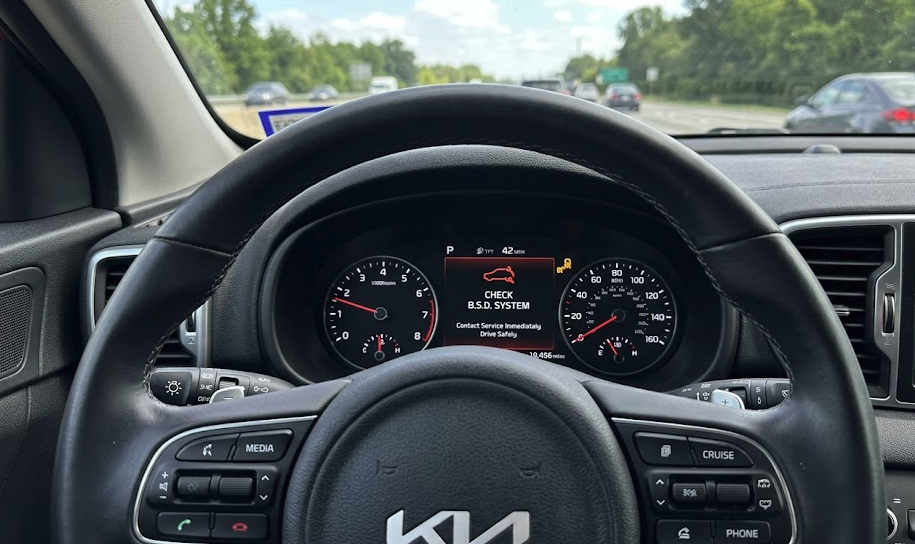
Dashboard warning lights can illuminate for various reasons, often signaling issues that range from minor to severe. Understanding common causes behind these alerts helps Kia owners maintain their vehicles more effectively and avoid unnecessary repairs.
One frequent trigger for dashboard warnings is sensor malfunction. Sensors such as oxygen sensors, mass airflow sensors, or tire pressure monitoring system components can become dirty, corroded, or damaged over time. This degradation causes inaccurate readings, leading to persistent warning lights even when the underlying systems function properly. Regular inspections and cleanings during routine maintenance can prevent this problem.
Another common cause is fluctuating or low fluid levels. Insufficient engine oil, coolant, brake fluid, or transmission fluid often activates dashboard alerts. Monitoring fluid levels and ensuring timely top-offs or replacements according to your Kia’s maintenance schedule helps keep these warnings at bay. Neglecting fluid maintenance can escalate wear on critical parts, leading to costly repairs.
Electrical system difficulties, such as battery deterioration or charging system faults, also provoke dashboard alerts. For example, a failing alternator or a weak battery can cause the battery warning light to stay lit. Regular battery tests and charging system evaluations during service visits allow early detection and replacement before failure.
Wear or damage to brake components, including worn pads or ABS sensor issues, commonly triggers brake system warnings. Maintaining scheduled brake inspections ensures safe stopping power and reduces unexpected alerts.
Taking proactive maintenance steps such as following manufacturer-recommended service intervals, using genuine Kia parts, and addressing alerts promptly prevents frequent dashboard warnings. Kia of Daphne’s certified technicians offer detailed diagnostics and skilled repair services to help you keep your vehicle in top condition. If you’re considering a vehicle upgrade, explore our Find Your Used Car selection or Schedule Used Car Test Drive to experience dependable performance firsthand. You can also browse our Find Your Dream Car inventory for the latest models.
By recognizing and addressing the typical triggers behind dashboard lights, Kia owners can extend their vehicle’s lifespan and enjoy safer, more reliable driving. Additional advice on maintaining used cars can be found in our Learn Used Car Buying Tips guide, helping you make informed decisions on maintenance and vehicle care.
Schedule Used Car Test Drive
Get behind the wheel and experience dependable performance firsthand.
Schedule Used Car Test DriveBenefits of Checking Kia Dashboard Lights Without Starting the Engine
Inspecting your Kia’s dashboard lights without starting the engine offers several practical advantages that support proactive vehicle care. By simply turning the ignition to the accessory or “on” position, you activate the self-diagnostic system, causing all the dashboard warning lights to briefly illuminate. This initial test confirms that the indicator bulbs and electronic circuits are functioning correctly before you start driving.
Performing this check helps you detect any immediate issues early—such as alerts related to low oil pressure, tire problems, or electrical faults—without engaging the engine or draining battery power. It’s particularly useful when preparing for long drives or after your vehicle has been idle for a while, giving you peace of mind that your Kia’s critical systems are ready for safe operation.
Regularly checking the dashboard lights in this way aids in early problem recognition, allowing timely scheduling of maintenance with professional technicians. Catching warning signals before they escalate helps prevent potential breakdowns and costly repairs, ensuring your Kia’s reliability.
At Kia of Daphne, we encourage drivers to embrace this simple diagnostic routine as part of responsible vehicle ownership. For additional benefits, explore why so many customers choose our dealership and entrust their service needs to our expert team. Additionally, if you’re considering an upgrade, value your trade-in with us to get the best offer. Keeping a close eye on dashboard indicators without starting your engine plays an essential role in maintaining your Kia’s performance and safety over time.
Advanced Dashboard Warning Technologies in the 2026 Kia Lineup
The 2026 Kia models feature cutting-edge dashboard warning systems designed to provide real-time, precise feedback on vehicle health and operational status. These innovations elevate driver awareness by combining advanced sensor technology with intuitive visual alerts tailored specifically to Kia’s diverse lineup, including hybrids and electric vehicles.
Central to these systems is the use of high-resolution LED displays integrated into the instrument cluster, providing crisp, clear signals visible in all lighting conditions. The color-coding scheme—from urgent red alerts to informational green and blue indicators—helps drivers quickly interpret the severity and nature of any issue. In addition, some models employ customizable digital clusters that adapt display priorities depending on driving scenarios, highlighting critical warnings during higher-risk conditions such as highway travel or off-road excursions.
The 2026 Kia models also utilize enhanced onboard diagnostic protocols, leveraging CAN bus and OBD-II technologies for comprehensive system monitoring. This allows the vehicle to detect and communicate faults across engine performance, braking, emissions, and electrical systems with high accuracy. For example, tire pressure monitoring now relies on direct pressure sensors with faster recalibration and error detection, ensuring safer handling and early detection of leaks or sensor failures.
Hybrid and electric models benefit from uniquely programmed alerts, such as battery health warnings and drivetrain protections like the turtle light. These specialized indicators are part of Kia’s commitment to ensuring optimal performance and longevity of electrified powertrains while educating drivers on energy conservation.
Drivers interested in learning more about these technologies or exploring how to interpret dashboard alerts can enhance their knowledge by viewing our Watch Our Video Showcase. Additionally, prospective buyers may Get Pre-Approved For Financing to experience these innovative features firsthand. For those planning their budgets, our Calculate Your Payments provides valuable assistance tailored to your financial needs.
Harnessing these advanced dashboard systems reinforces Kia’s dedication to safety, reliability, and driver empowerment for the modern vehicle owner.
Why Kia of Daphne Is Your Trusted Partner for Dashboard Light Diagnosis and Repairs
When it comes to understanding and addressing dashboard warnings on your Kia, having reliable, expert support is essential. Kia of Daphne stands out as the trusted choice for comprehensive dashboard light diagnostics and repairs, combining advanced technology with specialized knowledge of Kia vehicles. Our team of certified technicians is trained specifically to interpret the full range of Kia dashboard alerts, ensuring that no issue goes unnoticed or untreated.
We utilize cutting-edge diagnostic tools designed for Kia’s unique onboard systems. This precision equipment allows us to swiftly identify the precise cause behind each warning light, from sensor faults to more complex mechanical concerns. Paired with our commitment to using only genuine Kia parts, this approach guarantees repairs that maintain your vehicle’s performance and preserve its warranty protection.
Located conveniently at 29816 Frederick Blvd in Daphne, our service center offers a seamless experience, from your first call to the final repair. Whether you’re reacting to a sudden warning or scheduling routine maintenance, our knowledgeable staff ensures your Kia receives attentive care tailored to its specific needs.
To experience expert service that keeps your Kia performing at its best, you can Get Directions to Kia of Daphne or (251) 621-2277 for assistance. Learn more about why customers choose us by visiting our Discover Why Buy From Us page. Rely on Kia of Daphne to keep your vehicle safe, reliable, and responsive to every indicator on the dashboard.
Kia Dashboard Lights: The Color Code Guide
What does it mean when a Red warning light appears on my Kia dashboard?
A red light on your dashboard is the most urgent signal your Kia can give you and should be treated with the same seriousness as a stoplight. These lights indicate a critical safety issue or a mechanical problem that could lead to catastrophic engine failure if ignored. If you see a red symbol—such as the oil pressure “dripping can” or the engine temperature “thermometer in water”—you should pull over to a safe location as soon as possible and turn off the engine. Driving with a red warning light active can result in expensive repairs or even a dangerous breakdown on I-10. It is always best to have your vehicle towed to Kia of Daphne for an immediate inspection when a red light is illuminated.
How should I react to Yellow or Amber dashboard lights?
Yellow or amber lights are “caution” signals, indicating that a system is not working correctly or that a maintenance task is overdue. While these lights generally don’t require you to pull over immediately, they are not meant to be ignored. Common yellow lights include the “Check Engine” symbol (a stylized engine block) and the Anti-lock Braking System (ABS) indicator. When a yellow light appears, your Kia is telling you that it needs professional attention soon to prevent a more serious problem from developing. You can typically continue your drive home to Daphne or Spanish Fort, but you should schedule a service appointment within the next day or two to have the diagnostic codes scanned by our technicians.
What do the Green and Blue lights on my Kia dashboard indicate?
Unlike the urgent warning colors, green and blue lights are purely informational and let you know that a specific system is active and functioning as intended. For instance, a green “ECO” or “SPORT” light tells you which drive mode is currently engaged, while a green “AUTO HOLD” light confirms that the vehicle is holding the brakes for you at a stoplight. Blue lights are most commonly used for your high-beam headlights or to indicate that the engine is still cold. A blue thermometer icon is perfectly normal when you first start your car on a chilly morning in Daphne; it simply means the engine hasn’t reached its optimal operating temperature yet and should disappear after a few minutes of driving.
What is the difference between a solid yellow Check Engine light and a flashing one?
Understanding the behavior of your Check Engine light is vital for the health of your engine. A solid yellow light usually indicates a non-emergency issue, such as a faulty oxygen sensor or even a loose gas cap, which can often be fixed with a simple adjustment or part replacement. However, a flashing yellow Check Engine light is a major emergency signal. This indicates a “severe misfire” that is sending unburned fuel into your exhaust system, which can destroy your expensive catalytic converter in just a matter of minutes. If you see this light blinking, you must stop driving immediately, turn off the engine, and call for a tow to avoid thousands of dollars in secondary damage.
Why does my Tire Pressure (TPMS) light come on during cold Alabama mornings?
The Tire Pressure Monitoring System (TPMS) light looks like a yellow horseshoe with an exclamation point, and it’s one of the most common lights we see here in Baldwin County. Because air contracts when it gets cold, a sudden drop in temperature—common during our Gulf Coast winter “cold snaps”—can cause your tire pressure to dip just below the safety threshold, triggering the light. While it might go off once the tires warm up from driving, you should always check your pressures at a local station. Driving on under-inflated tires not only reduces your fuel economy but also affects your Kia’s handling and can lead to a dangerous blowout on the highway.
What should I do if the Red Oil Pressure light comes on while I’m driving?
The red oil pressure light is perhaps the most dangerous symbol on your dashboard because it means your engine is no longer being properly lubricated. Without sufficient oil pressure, the metal components inside your engine will grind against each other, creating intense heat that can “seize” the engine in seconds. This is not just a “low oil” reminder; it is a “stop now” emergency. If this light appears, safely pull off the road and shut down the vehicle. Check your oil dipstick—if it’s bone dry, you may have a major leak. Do not attempt to restart the engine until the oil level is corrected and the system has been checked by a professional.
What is the difference between the Brake warning light and the ABS light?
It is important to distinguish between the red “BRAKE” light and the yellow “ABS” light. The yellow ABS light indicates a fault in the computer-controlled anti-lock system; your car will still stop using traditional braking, but you won’t have the “pump-and-steer” safety feature in an emergency. The red “BRAKE” light, however, can mean one of three things: your parking brake is still engaged, your brake fluid is dangerously low, or there is a serious hydraulic failure in the system. If you’ve confirmed the parking brake is off and the red light stays on, your braking power could be compromised. You should test your pedal feel carefully and bring the car to Kia of Daphne immediately to ensure your primary safety system is intact.
Connect with us


 Warranties include 10-year/100,000-mile powertrain and 5-year/60,000-mile basic. All warranties and roadside assistance are limited. See retailer for warranty details.