

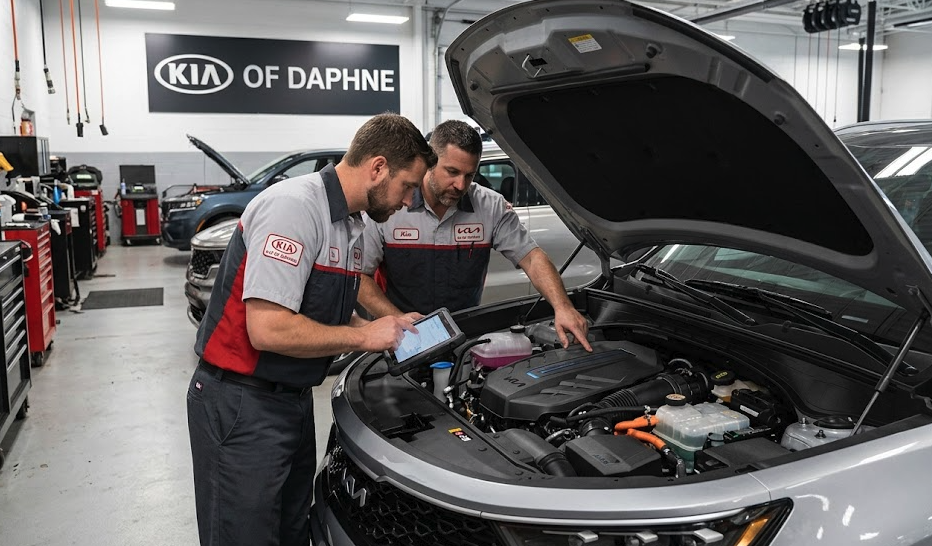
How to Identify and Diagnose Kia Engine Knocking Early
Engine knocking, often described as a metallic rattling or pinging noise coming from the engine, is a critical symptom that Kia owners should address promptly to prevent further damage. This sound typically indicates abnormal combustion events within the engine cylinders, which can lead to decreased performance, increased emissions, and potentially severe mechanical failures. Early detection and accurate diagnosis of engine knocking can save you necessary repairs and extend your Kia’s engine life.
The first step in recognizing engine knocking is to pay close attention to any unusual noises when accelerating or driving under load. Knocking often becomes more noticeable as the engine works harder, such as during uphill climbs or rapid acceleration. It may sound like a repetitive tapping or clinking, which differs from normal engine sounds. This auditory cue is your vehicle’s way of signaling issues like improper fuel combustion or mechanical wear.
Table of Contents
- Common Causes of Engine Knocking in Kia Vehicles and Their Impact
- Step-by-Step Guide to Diagnosing Engine Knocking at Home for Kia Owners
- Understanding the Blinking Check Engine Light and P1326 Code in Kia Models
- How Kia’s Limp Home Mode Protects Your Engine During Fault Conditions
- Maintenance Practices That Prevent Engine Knocking and Bearing Wear in Kia Vehicles
- Using Genuine OEM Kia Parts for Engine Repairs: Benefits and Assurance
- Recognizing Early Warning Signs and Symptoms of Worsening Engine Knock in Kia Cars
- Where to Get Professional Diagnosis and Engine Knocking Repairs in Daphne, AL
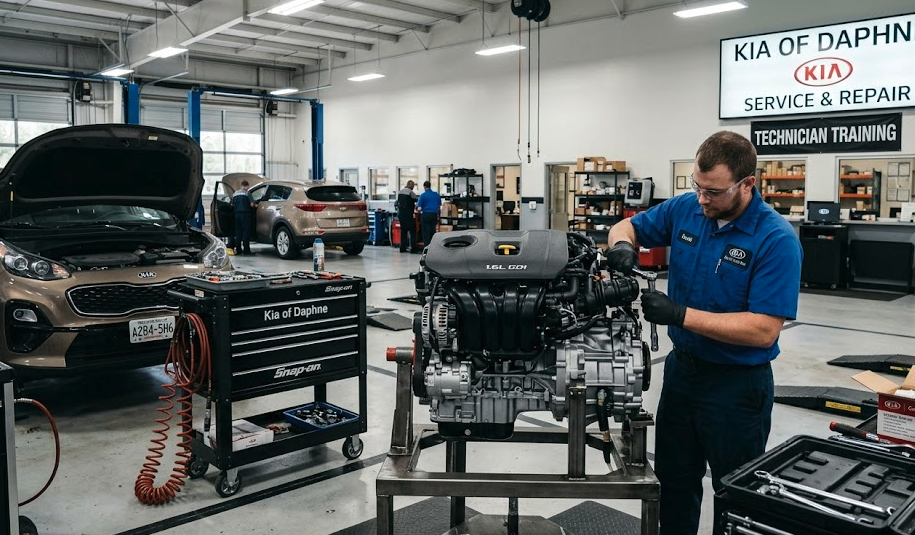
Diagnosing the source of knocking requires a combination of sensory observation and technical inspection. A common cause includes the premature ignition of the air-fuel mixture, known as detonation, which can occur due to low-octane fuel, carbon buildup, or incorrect ignition timing. In Kia engines, advanced control systems monitor combustion; however, any deviation can trigger knocking. Using an OBD-II scanner to check for fault codes can help identify related sensor anomalies or misfires that contribute to the knocking sound.
Visual inspection is another essential part of early diagnosis. Checking engine oil level and quality is crucial since insufficient or degraded oil can lead to increased friction and bearing wear, producing knocking noises. Likewise, inspecting spark plugs for fouling or incorrect gaps can reveal ignition problems that create abnormal combustion. Worn or damaged engine components like pistons, rods, or bearings might also be responsible, and these require professional evaluation using diagnostic tools such as borescopes or compression tests.
For Kia owners, it is important to act quickly once knocking is detected. Continuing to drive with engine knock can cause irreversible damage, including cracked pistons or damaged bearings, leading to engine failure. Scheduling a diagnostic service at a certified Kia service center ensures that trained technicians use the latest diagnostic equipment and genuine OEM parts to address the root cause effectively. Kia of Daphne’s service department specializes in diagnosing engine issues and can provide expert repairs that preserve your vehicle’s longevity and performance.
In addition to professional inspections, maintaining your Kia’s recommended service intervals helps prevent knocking. Regular oil changes with the correct grade of synthetic oil, fuel system cleaning, and use of high-quality fuel reduce the risk of knocking. Keeping ignition components in good condition and ensuring the engine cooling system operates efficiently also play a vital role in knocking prevention.
If you notice engine knocking or suspect issues, don’t hesitate to contact Kia of Daphne for expert assistance. You can call us at (251) 621-2277 or get directions to our service center to schedule an appointment. Early diagnosis and prompt service are the keys to keeping your Kia running smoothly for miles to come.
For more detailed information on Kia engine technologies and maintenance, consider exploring our Research Kia Models and Learn About Kia Warranty pages to understand how proper care protects your investment.
Schedule Service Now
Schedule Service NowSchedule Your Service Today
Schedule Your Service TodayResearch Kia Models
Research Kia ModelsLearn About Kia Warranty
Learn About Kia Warranty
Common Causes of Engine Knocking in Kia Vehicles and Their Impact
Engine knocking, often perceived as a metallic rattling or pinging noise, indicates abnormal combustion in your Kia’s engine cylinders. Understanding the root causes of this noise is essential to prevent further mechanical damage and maintain optimal engine performance.
One frequent cause of engine knocking in Kia vehicles is the use of low-quality or incorrect fuel. Modern Kia engines are designed to operate with specific octane ratings; using fuel with an octane rating lower than recommended causes premature ignition of the air-fuel mixture, resulting in knocking. This premature combustion, also known as detonation, creates excessive pressure and heat, which can damage pistons, cylinder walls, and other internal components over time.
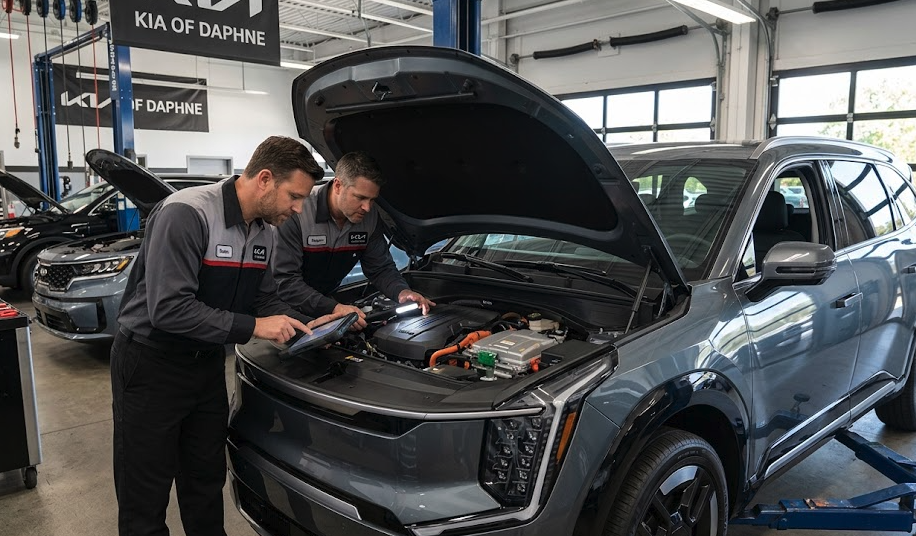
Another common culprit is carbon buildup inside the combustion chambers. Deposits can form from incomplete fuel combustion or oil residues, which increase compression ratios and create hot spots that ignite fuel unevenly. This phenomenon leads to persistent knocking sounds and reduced engine efficiency. Regular maintenance, including fuel system cleaning and oil changes, helps mitigate carbon accumulation.
Malfunctioning ignition components also contribute to knocking. Worn or failing spark plugs, ignition coils, or timing issues can cause delayed or misfiring sparks. When the ignition timing is off, the air-fuel mixture ignites at the wrong moment, intensifying knocking sounds and risking engine damage.
Additionally, engine overheating or low oil pressure can exacerbate knocking by reducing lubrication and increasing friction among moving parts. Insufficient lubrication accelerates wear on bearings and pistons, potentially leading to severe engine failure if not addressed promptly.
Finally, sensor failures—particularly the knock sensor—can prevent the engine control unit (ECU) from detecting and correcting knocking. A faulty knock sensor might delay or disable timing adjustments that protect the engine, allowing knocking to persist unchecked.
The impact of ignoring engine knocking ranges from reduced fuel efficiency and power loss to catastrophic engine damage requiring necessary repairs. Persistent knocking can lead to damaged piston crowns, cracked cylinder heads, or bearing failure.
For Kia owners considering a pre-owned vehicle, it’s important to check for any history of engine knocking or related repairs before purchase. You can request a used vehicle quote or request a vehicle quote and inquire about maintenance records to avoid inheriting costly engine issues.
By addressing these common causes early, you help preserve engine longevity and maintain your Kia’s performance. For ongoing care, routine inspections by certified technicians and using genuine parts are crucial steps in preventing engine knocking and its associated damage. Those interested in updates on the latest Kia models and specials can also view new vehicle specials or browse featured vehicles for options with advanced engine technologies that resist knocking.
Step-by-Step Guide to Diagnosing Engine Knocking at Home for Kia Owners
Early detection of engine knocking in your Kia can prevent necessary repairs and protect your vehicle’s longevity. Diagnosing this issue at home requires careful attention to sound, performance, and basic mechanical checks. Here’s a practical process to help Kia owners identify knocking symptoms before they worsen.
Start by running your engine at idle and listen closely for any unusual tapping or knocking noises. Engine knocking typically sounds like a metallic rattle or pinging, often more noticeable when accelerating or under load. If the noise is consistent and sharper when pushing the gas pedal, it could indicate pre-ignition or detonation issues.
Next, check your engine oil level and quality. Low or dirty oil reduces lubrication, increasing friction and the chance of knocking. Use the dipstick to confirm oil is within recommended levels and look for signs of contamination such as dark, gritty texture. Proper lubrication is essential for smooth engine operation, and neglecting oil changes can accelerate knocking.
Another step involves inspecting your fuel quality. Poor or low-octane fuel can cause knocking by igniting prematurely. If you suspect your fuel is subpar, try refueling with a higher-octane grade recommended in your Kia’s owner manual. This adjustment can reduce knocking caused by improper combustion timing.
You can also perform a basic spark plug check. Worn or fouled spark plugs may misfire, contributing to knocking sounds. Remove a spark plug and examine it for deposits, cracks, or wear. Replacing faulty spark plugs with OEM parts helps maintain proper ignition and engine performance.
Lastly, observe your Kia’s dashboard for warning lights, especially a blinking check engine light, which often signals severe knocking issues. Promptly addressing these alerts by consulting professional service technicians is critical.
For comprehensive maintenance guidance and genuine Kia parts, visit our Discover Why Buy From Us page. To meet the expert team ready to assist with diagnostics and repairs, explore our Meet Our Staff section. Don’t forget to check our View Manufacturer Specials for the latest offers on parts and services. Staying attentive to these signs and following proper upkeep routines can extend your Kia’s engine health and driving satisfaction.
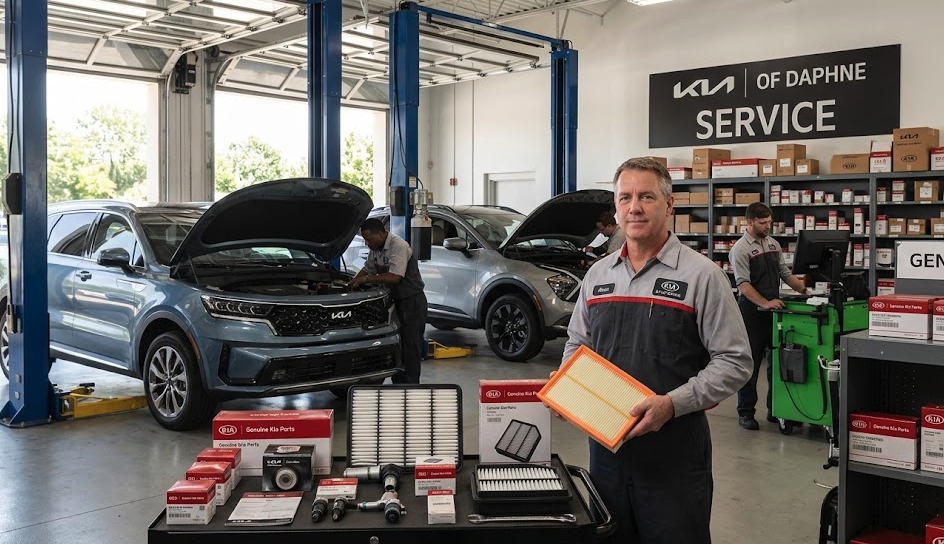
Understanding the Blinking Check Engine Light and P1326 Code in Kia Models
A blinking check engine light on your Kia is a serious warning that indicates a severe issue, often related to engine knocking or misfire conditions that can rapidly damage the engine if left unaddressed. Unlike a steady check engine light, the blinking light signals urgent attention is needed because the engine control unit (ECU) has detected abnormal combustion events that may harm internal components such as pistons or bearings.
One common diagnostic trouble code (DTC) associated with engine knocking in Kia vehicles is the P1326 code. This code typically points to problems with the Knock Sensor Circuit. The knock sensor plays a critical role by detecting vibrations caused by abnormal combustion—commonly known as knocking or pinging—and sending signals to the ECU to adjust ignition timing and prevent engine damage. When the knock sensor circuit malfunctions or if knocking persists beyond the sensor’s ability to compensate, the ECU triggers the P1326 code and activates the blinking check engine light.
Diagnosing this condition requires specialized tools to read the specific fault codes and analyze sensor data. The P1326 code can result from various underlying causes, including faulty knock sensors, wiring issues, poor fuel quality, or engine mechanical problems such as worn bearings or carbon buildup. Early detection and diagnosis are vital to avoid costly repairs and maintain engine integrity.
At Kia of Daphne, certified technicians utilize advanced diagnostic equipment to accurately identify the source of knocking-related codes and recommend appropriate repairs. Ignoring a blinking check engine light and the P1326 code risks severe engine damage and potential failure.
If you notice a blinking check engine light or suspect engine knocking, it is crucial to schedule a professional diagnostic appointment promptly. Taking swift action not only protects your Kia’s engine but also ensures your safety on the road and preserves long-term vehicle reliability.
For expert assistance, you can Schedule Service Now with our skilled technicians who specialize in Kia engine diagnostics and repairs. To understand the impact of engine issues on your vehicle’s performance and ownership costs, consider visiting our Watch Our Video Showcase for detailed insights. Also, review our View Our Hours to find the best time to bring your vehicle in for service. Additionally, you can Calculate Your Payments to plan your service expenses effectively.
How Kia’s Limp Home Mode Protects Your Engine During Fault Conditions
Kia’s Limp Home Mode is a vital safety feature designed to protect your engine and transmission when the vehicle detects critical faults, such as severe engine knocking or misfires. When activated, this mode limits the engine’s power output and restricts speed to prevent further damage. Essentially, it allows you to continue driving your Kia cautiously to the nearest service center without risking catastrophic engine failure.
This protective system is triggered by sensors that monitor engine performance parameters like combustion quality, cylinder pressure, and knock sensor readings. If the onboard computer identifies conditions that could harm the engine, such as persistent knocking caused by premature ignition, it immediately reduces fuel injection, limits throttle response, and adjusts ignition timing. These adjustments minimize stress on internal components, reducing the risk of bearing damage or piston wear.
While Limp Home Mode restricts acceleration and top speed—often capping the vehicle at around 30 to 40 mph—it prioritizes engine preservation. This mode also illuminates warning indicators on the dashboard, including the check engine light, alerting drivers to seek professional diagnosis promptly.
Understanding Limp Home Mode’s function helps Kia owners recognize the urgency of engine issues. Continuing to drive extensively in this mode without repair can lead to increased wear and costly damage. Scheduling a service appointment at Kia of Daphne ensures certified technicians use advanced diagnostics to identify the root cause and perform necessary repairs, maintaining your vehicle’s reliability and safety.
For those interested in learning more about Kia’s commitment to customer care, you may also explore our Learn About Hero Appreciation program or our Learn About Military Rebate program. If you want to experience Kia’s performance firsthand with peace of mind, consider scheduling a test drive at our dealership via Schedule A Test Drive.
Maintenance Practices That Prevent Engine Knocking and Bearing Wear in Kia Vehicles
Proper maintenance is critical to preventing engine knocking and bearing wear in Kia vehicles, ensuring long-term engine durability and smooth performance. Engine knocking often results from premature combustion or mechanical stress, which can be mitigated through a disciplined service regimen targeting key engine components and systems.
A cornerstone of preventing knocking is adhering to Kia’s recommended oil change intervals. Engine oil lubricates critical parts such as bearings and pistons, reducing friction and heat buildup that accelerate wear. Using the correct grade of oil specified for your Kia model helps maintain optimal viscosity and thermal stability. Regular oil changes with genuine OEM oil filters secure the engine’s internal cleanliness, preventing contaminant buildup that could contribute to knocking or bearing damage. Vehicle owners should consult the official maintenance schedule to keep oil changes timely and effective. For convenience, you can also schedule Kia oil change services online.
Fuel quality and combustion control also play significant roles in knock prevention. Low-octane or contaminated fuel can spark early ignition, leading to knocking sounds. Kia engines are calibrated to operate with specific fuel grades, so using the recommended octane rating minimizes the risk of abnormal combustion. Additionally, maintaining the fuel system including injectors and filters ensures proper fuel delivery and mixture, avoiding lean or rich conditions that stress the engine. Scheduling regular fuel system diagnostics and cleaning at Kia of Daphne helps maintain combustion efficiency and prevents knocking.
The engine’s cooling system is another vital area to maintain, as overheating increases the likelihood of knock and bearing wear. A well-functioning radiator, thermostat, and coolant circulation system keep engine temperatures within safe operating limits. Periodic coolant flushes and inspections for leaks or blockages prevent thermal stress. Our certified technicians can perform comprehensive cooling system service to safeguard your engine’s thermal balance.
Worn or damaged spark plugs and ignition components can cause misfires and uneven combustion, leading to knocking. Replacing spark plugs at manufacturer-recommended intervals with genuine Kia parts maintains stable ignition timing. Likewise, keeping the air intake and filtration systems clean ensures the engine receives the proper air-fuel mixture, critical for smooth combustion.
Bearing wear is often accelerated by insufficient lubrication, contamination, or excessive mechanical load. Regular engine oil changes, as well as timely replacement of belts and hoses that support engine components, reduce undue stress on bearings. Multi-point inspections conducted during routine service appointments at Kia of Daphne include detailed checks of these wear-prone parts to catch early signs of deterioration.
By consistently following preventative maintenance protocols, Kia owners can minimize engine knocking risks and bearing wear. For expert service, scheduling routine maintenance with our certified technicians at Kia of Daphne ensures your vehicle receives genuine OEM parts and precise care. To maintain peak engine health and prevent costly repairs, consider learning about preventative maintenance or schedule your next service appointment today.
learning about preventative maintenance
learning about preventative maintenanceofficial maintenance schedule
official maintenance scheduleschedule Kia oil change
schedule Kia oil changeschedule your next service appointment
schedule your next service appointmentUsing Genuine OEM Kia Parts for Engine Repairs: Benefits and Assurance
When addressing engine knocking or any other mechanical issue in your Kia, using genuine OEM (Original Equipment Manufacturer) parts is crucial for maintaining the vehicle’s performance and longevity. These parts are specifically engineered to meet Kia’s stringent quality standards, ensuring an exact fit and optimal functionality. Unlike aftermarket components, genuine Kia parts are designed with precise materials and tested extensively to withstand the unique stresses and conditions of Kia engines.
One significant advantage of employing OEM parts during engine repairs is the preservation of your vehicle’s warranty coverage. Using non-genuine parts can void warranty protections and potentially lead to further mechanical problems down the line. OEM parts also contribute to the reliable operation of advanced engine systems, such as variable valve timing and electronic fuel injection, which are sensitive to component quality and performance.
For Kia owners in Daphne, AL, Kia of Daphne’s certified technicians rely exclusively on authentic parts to guarantee repairs that align with manufacturer standards. Whether replacing pistons, bearings, or sensors involved in diagnosing engine knock, the use of genuine parts helps avoid premature wear and ensures consistent engine operation. Additionally, genuine parts improve repair predictability and reduce the risk of repeat visits, saving both time and money.
To support your engine repair or maintenance needs, you can conveniently Visit Parts Department or Order Genuine Parts online, ensuring your Kia receives the exact components it requires. Trusting OEM parts is an essential step in safeguarding your Kia’s performance and achieving lasting engine health.
For more information on the advantages of professional care and genuine parts, explore the Discover Service Benefits provided by Kia of Daphne’s expert team. You can also learn more about the value of choosing your local dealership by visiting Discover Dealership Benefits and take advantage of current offers by checking out Explore Service & Parts Specials.
Recognizing Early Warning Signs and Symptoms of Worsening Engine Knock in Kia Cars
Detecting the early indications of engine knocking in your Kia is critical to preventing severe damage and costly repairs. Engine knocking, often described as a metallic clicking or pinging noise coming from the engine, can escalate if ignored. As the condition worsens, the vibrations and sounds become more pronounced, signaling underlying mechanical issues that require immediate attention.
One of the primary symptoms to watch for is an increase in engine noise during acceleration or under load. This knocking sound typically originates from abnormal combustion events inside the cylinders, where the air-fuel mixture detonates unevenly. If your Kia’s engine exhibits this behavior, it may be an indicator of poor fuel quality, incorrect ignition timing, or carbon buildup. Another early warning sign is reduced engine performance, such as sluggish acceleration or hesitation, which often accompanies knocking.
Additionally, your Kia might display a blinking check engine light, which can be linked to engine misfires or knocking detected by the vehicle’s onboard diagnostics. This alert should never be overlooked, as it can lead to more severe engine damage if the problem persists. Other symptoms include rough idling, decreased fuel economy, and unusual vibrations felt through the steering wheel or pedals.
As knocking worsens, metal components within the engine, such as pistons, rods, and bearings, may experience increased wear. This can lead to more severe mechanical failures, including cracked pistons or damaged bearings, which are costly to repair. Early detection through routine diagnostic checks and attentive listening while driving can prevent this progression.
If you suspect engine knocking in your Kia, professional diagnosis is essential. At Kia of Daphne, our certified technicians use advanced diagnostic equipment to accurately identify the source of knocking and recommend appropriate repairs. For Kia owners considering pre-owned vehicles, learning to recognize these early symptoms can be a valuable skill. For guidance on evaluating used vehicles and avoiding engine issues, explore our resources on used car buying tips and schedule a used car test drive. Early intervention is the most effective way to maintain your Kia’s engine longevity and performance.
Where to Get Professional Diagnosis and Engine Knocking Repairs in Daphne, AL
When your Kia begins to exhibit engine knocking sounds, prompt and accurate diagnosis is essential to prevent further damage. At Kia of Daphne, our certified technicians specialize in diagnosing engine issues using advanced diagnostic equipment tailored specifically for Kia vehicles. Early detection allows us to pinpoint the root cause, whether it’s related to spark timing, fuel quality, or internal engine components, helping to avoid costly repairs down the line.
Our service center is equipped to handle comprehensive engine inspections, including checking for fault codes like P1326, monitoring engine performance, and assessing potential causes such as worn bearings or detonation issues. We utilize genuine OEM Kia parts to ensure repairs maintain your vehicle’s integrity and warranty coverage. Whether your engine knocking is mild or severe, our trained technicians apply precision repair techniques to restore smooth operation efficiently.
For Kia owners in Daphne, Alabama, trusting a dealership with factory-trained technicians ensures access to the latest service updates and manufacturer-recommended repair procedures. Conveniently located at 29816 Frederick Blvd, our service center offers a comfortable waiting area and transparent communication throughout the repair process. To keep your Kia running at its best, schedule an appointment with us today by clicking Schedule Your Service Today or call us directly at (251) 621-2277. You can also get directions to Kia of Daphne here. Additionally, learn about our Professional Discount available to qualifying customers.
Kia Engine Knocking: Detection & Diagnosis FAQ
How can I tell the difference between a normal engine sound and a dangerous “knock”?
Modern Kia engines, particularly the Gasoline Direct Injection (GDI) variants, naturally produce a faint “ticking” sound at idle that is often mistaken for a knock; this is simply the sound of the high-pressure fuel injectors working. However, a dangerous engine knock is a deeper, more rhythmic, and metallic hammering sound that typically becomes louder and faster as you accelerate. Think of it like a metal spoon hitting a cooking pot. If you hear this metallic clatter while driving through Daphne or Spanish Fort, it is an early warning sign that internal components like rod bearings are failing, and you should have it inspected immediately.
What is the “Knock Sensor Detection System” (KSDS) and why is it important for my Kia?
Many recent Kia models have been equipped with a specialized software update known as the Knock Sensor Detection System (KSDS). This system is designed to “listen” for specific vibration patterns that indicate internal engine wear before a human can even hear the sound. If the KSDS detects an abnormal vibration, it will trigger a flashing (not solid) Check Engine Light and put your vehicle into “Limp Home Mode,” which limits your speed to protect the engine. If your dashboard starts flashing and your car suddenly loses power while you’re on I-10, do not try to force it to go faster; the system has successfully detected an early knock and is trying to save your engine from a catastrophic failure.
Can low oil levels cause a knocking sound, and how do I check for it?
Absolutely. Oil is the lifeblood of your engine, and when levels get too low, the protective film between moving metal parts disappears, leading to friction and a “clattering” or knocking sound. To diagnose this yourself, pull over to a level surface, wait for the engine to cool for a few minutes, and check your dipstick. If the oil is below the “low” line, add the recommended weight immediately. While you’re at it, look closely at the oil on the dipstick under a bright light; if you see tiny metallic glitters or “shavings,” this is a sign that the knocking has already caused internal damage, and you need a professional diagnostic at Kia of Daphne.
Why does my Kia “ping” or “knock” only when I’m going uphill or accelerating hard?
This is often referred to as “spark knock” or “pre-ignition,” and it sounds more like a bag of marbles being shaken than a heavy hammer. It occurs when the fuel-air mixture in your cylinders ignites too early. This can be caused by using a lower-octane fuel than recommended or by a significant buildup of carbon deposits on your pistons—a common trait in high-mileage GDI engines. If you notice this “pinging” during your commute through Baldwin County, try switching to a higher-grade fuel for one tank. If the sound persists, you likely need a professional GDI fuel system cleaning to remove the carbon “hot spots” that are causing the premature ignition.
What should I do if my Kia starts knocking while I’m driving?
If you hear a distinct metallic knocking or if your Check Engine Light begins to flash, the most important rule is to stop driving as soon as it is safe to do so. Continuing to drive with a mechanical knock can cause a connecting rod to break and punch a hole through the engine block, which can lead to a fire or a total loss of power at high speeds. If you are in the Daphne or Mobile area, your next step should be to call Kia of Daphne. Many Kia models have extended lifetime warranties for these specific engine issues, and our technicians can quickly scan for code P1326 to determine if your repair is covered at no cost to you.
Connect with us


 Warranties include 10-year/100,000-mile powertrain and 5-year/60,000-mile basic. All warranties and roadside assistance are limited. See retailer for warranty details.