Today: 8:30AM - 8:00PM
Blog / Daphne Kia Service

Blog

All Daphne Kia Service New Kia Cars Daphne Kia Dealer Kia of Daphne Service Daphne Used Cars
lease or buy a Kia Daphne AL

Should You Lease or Buy a Kia in Daphne, AL?

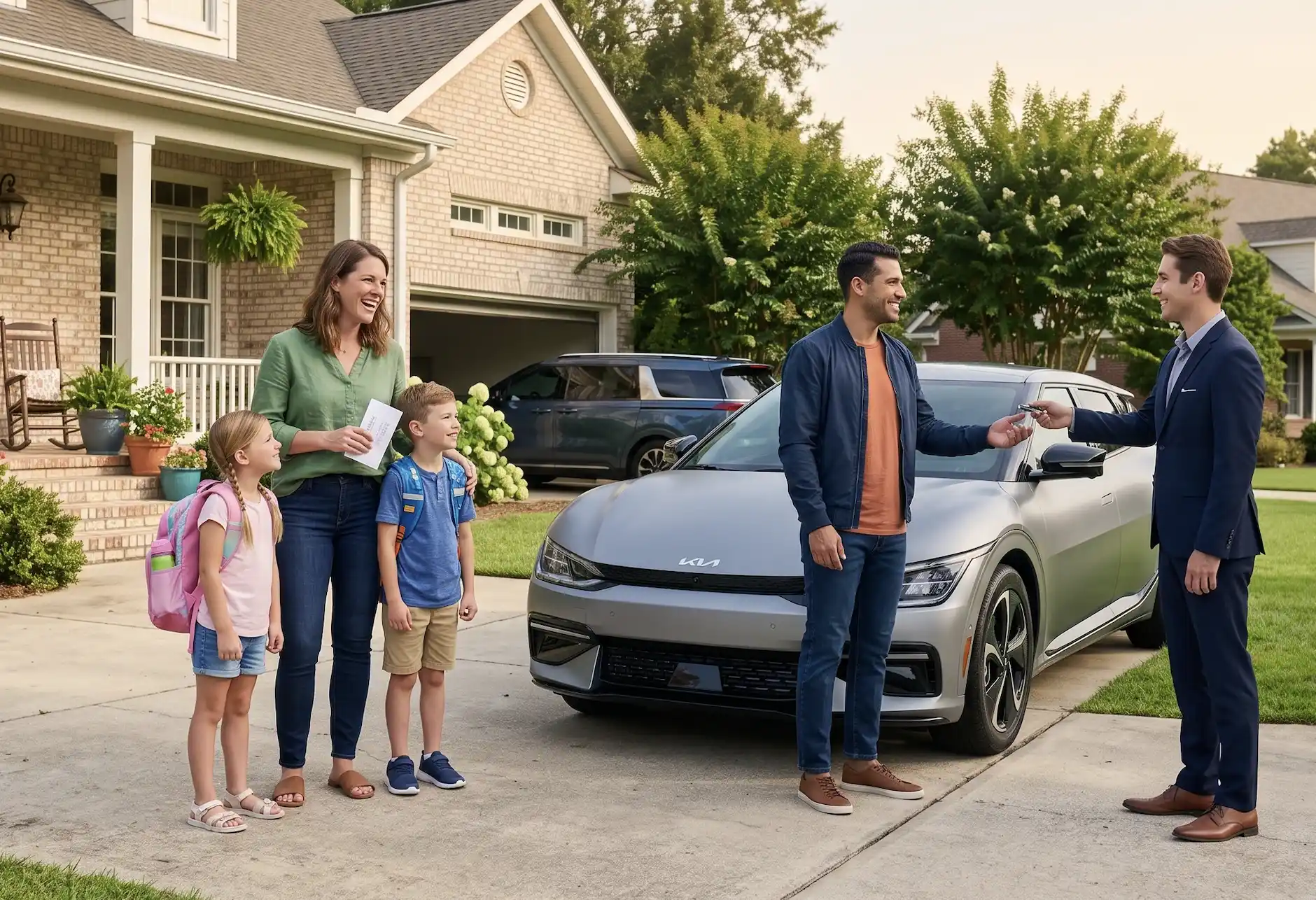
Leasing a Kia usually fits drivers who want a lower monthly payment, newer technology every few years, and predictable mileage in the 10,000 to 12,000 mile range. Financing usually fits drivers who put on heavy miles, want to build equity, and plan to keep their Kia well past the loan term. At Kia of Daphne, we walk shoppers through both paths every week, and the right answer almost always comes down to your annual mileage, how long you want to keep the vehicle, and whether monthly payment or long-term ownership matters more to you. A Fairhope commuter driving 25 miles round trip to work has very different needs than a Spanish Fort family logging weekend trips to Gulf Shores, and this guide walks through both. We get asked about leasing versus financing almost every day, and the honest answer is that neither option is universally better. It depends on how you actually drive. Someone commuting a short, predictable route in Daphne may barely touch a lease mileage allowance in a year. A family driving to Pensacola, Foley, and Gulf Shores most weekends can burn through that same allowance well before their lease term ends. This guide breaks down how Kia leasing and financing actually work, the factors that matter most when comparing them, and how local driving patterns around Daphne, Fairhope, Spanish Fort, and Mobile tend to point one way or the other. We also look at which option fits different lifestyles and where our finance team can help you compare real numbers before you commit. By the end, you will understand the tradeoffs clearly enough to walk into our showroom, or start a conversation with our finance team, already knowing which questions to ask. Definition: Leasing a vehicle means paying to drive it for a set term, typically 24 to 39 months, within an agreed mileage allowance, then returning it or purchasing it at lease-end. Financing means taking a loan to purchase the vehicle outright, building equity with each payment until it is fully owned. Drivers in Daphne and the surrounding Eastern Shore choose between the two based mostly on annual mileage and how long they want to keep their Kia. Table of Contents How Kia Leasing and Financing Work Lease Terms, Mileage Allowances, and Vehicle Condition Financing Terms, Equity, and Mileage Freedom What Happens at Lease-End vs Loan Payoff Kia Leasing vs Financing: Key Factors to Compare Monthly Budget and Mileage Habits How Long You Plan to Keep the Vehicle Kia Leasing and Financing for Eastern Shore Drivers How Local Driving Patterns Affect Your Choice Which Kia Ownership Option Fits Your Lifestyle? Discuss Kia Lease and Finance Options at Kia of Daphne Key Takeaways Kia Leasing vs Buying FAQs How Kia Leasing and Financing Work Key Takeaway: Leasing trades lower monthly payments and newer-vehicle access for mileage limits, while financing trades a longer commitment for full ownership and unlimited mileage. Lease Terms, Mileage Allowances, and Vehicle Condition A Kia lease is built around three things: the term length, the mileage allowance, and wear-and-tear guidelines. Most Kia leases run 24 to 39 months, with mileage allowances commonly set between 10,000 and 12,000 miles per year. Going over that allowance means paying a per-mile charge at lease-end, so mileage planning matters more with a lease than with a loan. Lease term: typically 24 to 39 months Mileage allowance: commonly 10,000 to 12,000 miles per year, with higher-mileage packages available Wear-and-tear standards: normal wear is expected, but excess wear or damage is billed at lease-end Vehicle condition: leased Kias are usually returned, traded toward a new lease, or purchased at the agreed residual value For a Daphne commuter driving a predictable 8-mile route to work and back, a 10,000-mile lease allowance is often plenty. That same allowance gets tight fast for a Fairhope family that adds weekend trips to Gulf Shores or Pensacola Beach on top of a daily commute, which is exactly why we walk through expected annual mileage before recommending a lease. Higher-mileage lease packages, sometimes offering 12,000 or 15,000 miles per year, are available on most Kia models for drivers who know their commute runs longer but still prefer a lease's lower monthly payment and shorter commitment. We recommend choosing the mileage package that matches your actual driving, even if it raises the monthly payment slightly, since paying a bit more upfront is almost always cheaper than paying an overage fee for thousands of miles at lease-end. Our sales team can help you estimate a realistic annual mileage figure based on your commute and typical weekend driving before you sign anything. Curious what's available to lease right now? Browse New Kia Inventory Financing Terms, Equity, and Mileage Freedom Financing a Kia means taking a loan, typically over 48 to 72 months, and building ownership equity with every payment. There is no mileage cap to worry about, which matters for drivers who put on more than 12,000 to 15,000 miles a year between commuting and weekend travel. Once the loan is paid off, the Kia is fully yours with no return process or mileage true-up. What most buyers don't realize is that financing also gives more flexibility to customize the vehicle, since a financed Kia is not subject to a lease's wear-and-tear standards. A financed Kia Sorento can carry a hitch, roof rack, or aftermarket accessories without worrying about lease-end deductions, which matters for families who tow a small boat to Mobile Bay or haul gear for weekend camping trips. Loan terms also affect the total interest paid over time, so a shorter loan term generally means a higher monthly payment but less interest overall, while a longer term lowers the monthly payment but stretches out interest costs. Our finance team can walk through a few different term lengths side by side so you can see exactly how the monthly payment and total cost shift, rather than picking a term length based on payment alone. What Happens at Lease-End vs Loan Payoff At the end of a Kia lease, you generally have three choices: return the vehicle, purchase it at the agreed residual value, or roll into a new lease. At the end of a Kia loan, the vehicle is simply yours, free of any further payments or mileage review. Neither path is right or wrong; it depends on whether you would rather keep upgrading every few years or drive the same Kia well past the point of your last payment. Kia Leasing vs Financing: Key Factors to Compare Key Takeaway: The right choice usually comes down to three questions: your monthly budget, your annual mileage, and how long you plan to keep the vehicle. Monthly Budget and Mileage Habits Leasing typically comes with a lower monthly payment than financing the same Kia, since you are only paying for the vehicle's depreciation during the lease term rather than its full value. Financing carries a higher monthly payment but builds toward full ownership. Mileage habits often matter as much as budget: a driver who logs long highway miles every week should weigh a lease's mileage cap carefully against financing's unlimited mileage. Factor Leasing a Kia Financing a Kia Typical monthly payment Generally lower Generally higher Mileage limit 10,000 to 12,000 miles per year, typically No mileage limit Ownership equity None; vehicle is returned or purchased at lease-end Builds with every payment Customization Limited by wear-and-tear standards Full freedom once financed Trade-in flexibility Roll into a new lease easily Trade-in value depends on market and condition Best For Lower mileage drivers who like newer vehicles Higher mileage drivers who want long-term ownership Based on Kia official website. The key difference between leasing and financing a Kia comes down to what you value more: a lower monthly payment with mileage limits, or a higher payment that builds toward full ownership with no mileage cap. Neither is the wrong choice; it is about matching the structure to how you actually drive. Want to see real numbers side by side? Calculate Your Payment How Long You Plan to Keep the Vehicle How long you expect to keep your next Kia often settles the decision on its own. Here is how we typically match drivers to an ownership path: If you like driving a new Kia every two to three years and stay under 12,000 miles annually, we recommend leasing, since you will consistently have access to the newest Kia Drive Wise safety technology. If you plan to keep your Kia for seven, eight, or more years and drive over 15,000 miles annually, we recommend financing, since a lease's mileage charges would add up quickly over that timeline. If you are unsure how long you will stay in the area, such as a military family who may receive new orders, we recommend discussing lease flexibility with our finance team before committing to a longer loan term. Our customers who finance a Kia Telluride or Sorento for a growing family often tell us they plan to keep the vehicle well past the loan term, since a paid-off SUV with no monthly payment becomes valuable once a teenager needs a hand-me-down car. Ready to compare your options with a real person? Our finance team can review your mileage, budget, and how long you plan to keep your next Kia, then lay out lease and finance numbers side by side so you can compare them directly. We are located at 29816 Frederick Boulevard in Daphne, right off Highway 98, and most consultations take less than thirty minutes. You do not need to have decided between leasing and financing before you come in; that is exactly the conversation we are built to have. We can also show you current new Kia inventory while you are here, so you can see and drive the exact trim you are considering under either path. Reach us anytime at (251) 374-0644 or start the conversation online. See if you're pre-approved before you visit Get Pre-Approved for Financing Kia Leasing and Financing for Eastern Shore Drivers Key Takeaway: Your daily commute and weekend driving habits around the Eastern Shore often point clearly toward leasing or financing before budget even enters the conversation. How Local Driving Patterns Affect Your Choice A Daphne resident commuting a short, local route rarely comes close to a lease's mileage allowance in a year. A driver commuting the Mobile Bay Bayway and Wallace Tunnel into downtown Mobile daily adds up miles faster, and a family that also drives US-98 to Fairhope for school or errands on top of that commute should run the numbers carefully before signing a lease. Weekend habits matter just as much. A Spanish Fort family that drives to Gulf Shores or Orange Beach most weekends, plus occasional trips up I-10 toward Pensacola, can add several thousand miles a year beyond a standard commute. That pattern often tips the scale toward financing, since a mileage overage charge at lease-end can offset any monthly savings a lease offered in the first place. Driving Pattern Typical Annual Mileage Better Fit Short Daphne local commute Under 10,000 miles Leasing Daily Bayway commute to Mobile 10,000 to 14,000 miles Depends on lease mileage package Fairhope family with regular Gulf Shores weekend trips 14,000 to 18,000 miles Financing Military family with uncertain relocation timeline Varies Leasing, for shorter commitment For families who split time between Daphne, Fairhope, and Foley, or who make regular trips toward Pensacola for work or family, we recommend having an honest conversation about actual annual mileage before choosing between leasing and financing. Our team sees this pattern often enough that we can usually tell within a few minutes which option will save more money over the full term. Want to see it in person first? If you are still deciding, the easiest next step is often just getting behind the wheel. A test drive around your actual commute route, from a short Daphne loop to a stretch of the Bayway, can tell you more about mileage comfort than any spreadsheet. Our sales team can set up a route that matches how you actually drive, whether that is a quick local loop or a longer stretch toward Fairhope. We serve drivers throughout Daphne, Fairhope, Spanish Fort, Mobile, Foley, and Robertsdale, and we are happy to bring a few trims out for you to compare side by side. Call us at (251) 374-0644 or request a time online whenever it works for your schedule. Ready to get behind the wheel? Schedule a Test Drive Which Kia Ownership Option Fits Your Lifestyle? Key Takeaway: Your lifestyle, not just your budget, often points clearly toward leasing or financing before the numbers even get compared. For a young professional in Mobile who likes having the newest Kia Connect features and does not want to think about long-term ownership, leasing tends to make sense, since the shorter term keeps technology current without a resale hassle. For a Spanish Fort family that has settled into a home and expects to stay several years, financing a Kia Sorento or Telluride and keeping it well past the loan term often ends up being the lower total cost path. First-time buyers around Daphne and Foley sometimes assume leasing is always cheaper, but that only holds true if mileage stays within the lease allowance and the vehicle stays in good condition. A first-time buyer who is not yet sure how their driving habits will settle often does better financing a dependable Kia Forte or K5, since there is no mileage risk to manage while life is still changing. A military family stationed near Naval Air Station Pensacola who may relocate within a few years often leans toward leasing, since a shorter term avoids being tied to a loan if orders come through sooner than expected. Retired or semi-retired drivers around Fairhope and Spanish Fort who mostly run local errands and take the occasional road trip often land somewhere in the middle. Their mileage stays low enough that leasing would work, but they usually prefer financing anyway, since they plan to keep their next Kia for many years and would rather never make another car payment once it is paid off. Discuss Kia Lease and Finance Options at Kia of Daphne Key Takeaway: Comparing real lease and finance numbers side by side, rather than guessing from general rules of thumb, is the fastest way to know which option actually costs less for your situation. What most shoppers don't realize is that the cheaper option on paper is not always the cheaper option for their specific mileage and timeline. A lease that looks like a bargain on monthly payment can cost more overall once mileage overage fees are added at lease-end. A loan that looks expensive month to month can end up being the better value once you account for years of ownership with no payment at all. We can review your expected annual mileage and show you where a lease's per-mile overage charge would start costing more than financing We can walk through Friendly Financing and Easy Automotive Financing options if a straightforward loan fits your situation better We can also review your current vehicle's trade-in value, since a strong trade can lower a down payment either way Our finance team sits down with Daphne, Fairhope, and Spanish Fort shoppers every week to run these numbers honestly, even when the answer points toward the option that is not what the shopper originally assumed. See financing programs built for real budgets Learn About Friendly Financing Have a vehicle to trade toward your next Kia? Get Your Trade-In Value Key Takeaways Leasing a Kia typically means lower monthly payments and a mileage allowance around 10,000 to 12,000 miles a year. Financing a Kia builds ownership equity and removes any mileage cap. If you drive under 12,000 miles a year and like upgrading often, leasing usually fits better. If you drive over 15,000 miles a year or plan to keep your Kia long-term, financing usually costs less overall. Eastern Shore commute distance and weekend travel habits often settle the decision before budget even comes into play. Our finance team can compare real lease and finance numbers side by side before you commit to either path. Kia Leasing vs Buying FAQs Is it better to lease or buy a Kia? Based on what we see here in Daphne, leasing tends to fit drivers who stay under 12,000 miles a year and like driving a newer Kia every few years, while financing tends to fit drivers who put on more mileage or plan to keep their vehicle well past the loan term. Neither option is universally better; it depends on your mileage, budget, and how long you want to keep the vehicle. What is the mileage limit on a Kia lease? Most Kia leases include a mileage allowance between 10,000 and 12,000 miles per year, with higher-mileage lease packages available if you know you will drive more. Going over your allowance results in a per-mile charge at lease-end, so we recommend estimating your actual annual mileage honestly before choosing a lease term. Does financing a Kia build equity? Yes. Every payment on a financed Kia goes toward ownership, and once the loan is paid off, the vehicle is fully yours with no further payments, mileage review, or return process. Leasing, by comparison, builds no equity since you are paying to use the vehicle for a set term rather than to own it. How long should I keep a financed Kia before trading it in? There is no fixed rule, but many of our financing customers keep their Kia well past the loan term to maximize the value of driving payment-free. If you are considering a trade-in sooner, our team can review current trade-in value alongside your remaining loan balance so you know exactly where you stand before deciding. More from Kia of Daphne Related Articles More financing, ownership, and family-focused Kia guides from our Daphne, AL team. Financing Program Friendly Financing at Kia of Daphne Learn how our Friendly Financing program helps Daphne-area shoppers find a payment plan that fits their budget. Read Article Financing Program Easy Automotive Financing in Daphne, AL See how our finance team simplifies the loan process for new and returning Kia buyers. Read Article Finance Tool Get Pre-Approved for Kia Financing Check your pre-approval status online before you visit our Daphne showroom. Read Article Service Guide Back-to-School Kia Service Checklist for Daphne Families Review what to check on your Kia before the school year, from tires and brakes to battery health. Read Article

back to school Kia service checklist Daphne AL

Back-to-School Kia Service Checklist: What Daphne, AL Families Should Check Before the Bell Rings

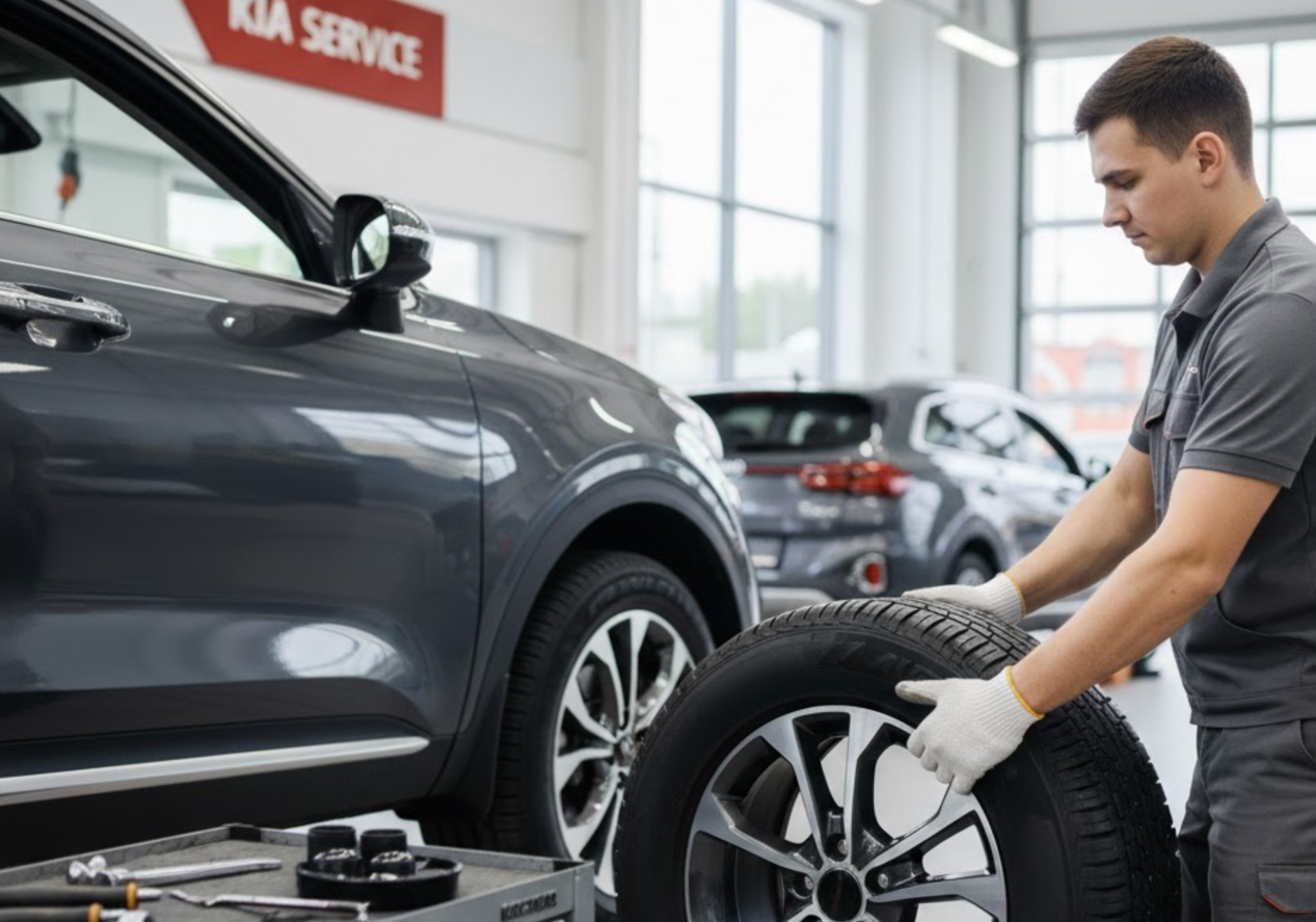
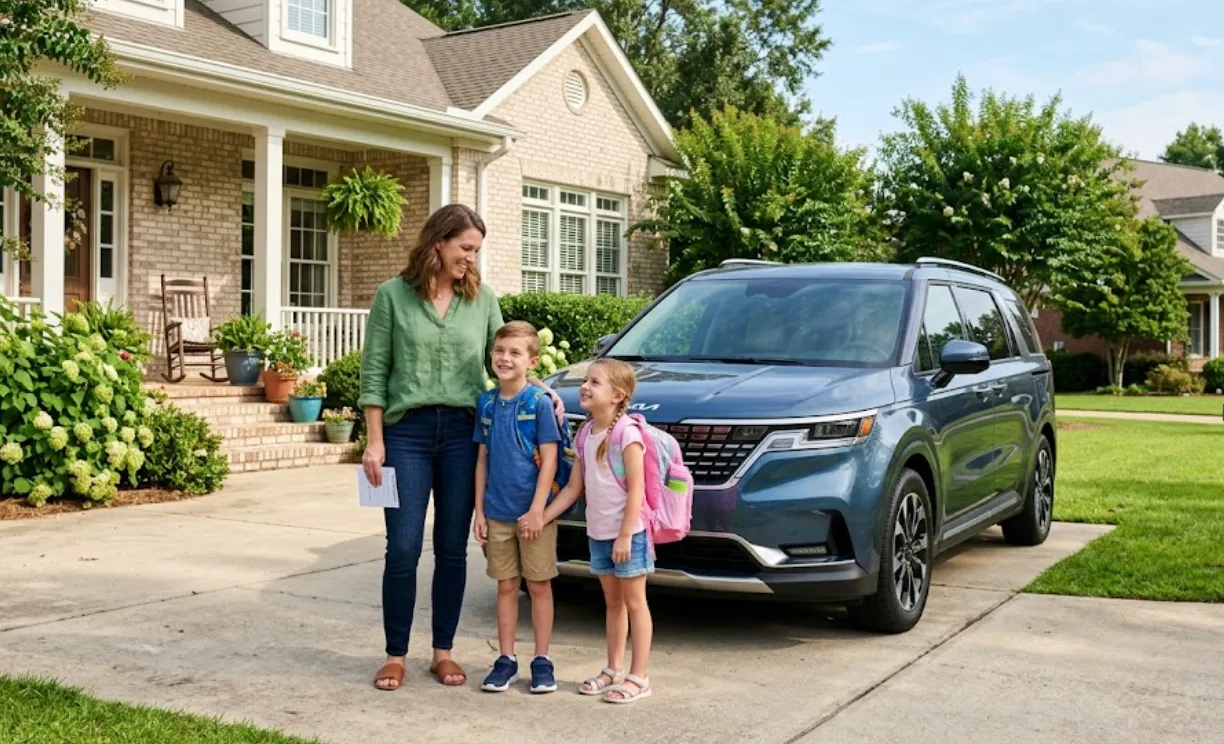
Before your kids head back to school this fall, your Kia should get a quick once-over. Tires, brakes, oil, battery, lights, and wipers all matter more once daily carpool runs, school zone stops, and sports pickups fill up your calendar. At Kia of Daphne, we recommend a back-to-school service check in early August, before Eastern Shore heat and humidity put extra strain on your battery and tires. Whether you are dropping off at a Daphne elementary school, running the carpool line in Fairhope, or commuting the Bayway into Mobile, a quick multi-point inspection now can prevent a roadside surprise during the first week of school. We see the same pattern every August. A car that cruised quietly all summer suddenly logs twice as many short trips once school starts, and short trips are harder on batteries, brakes, and tire pressure than long highway drives. A parent running two school drop-offs and an after-practice pickup puts more stop-and-go wear on a vehicle in a single week than a long summer road trip puts on it in a month. This checklist walks through what our technicians check before the first bell rings, why August is a smart time to book service here in Daphne, and how to match the right service package, whether that is a quick Kia Express Service visit or a full multi-point inspection, to your family's actual driving pattern. We also cover what a back-to-school checkup typically costs, what is already covered under your Kia's factory warranty, and when it might make sense to consider a larger vehicle before carpool season doubles up. By the end of this guide, you will know exactly what to check, roughly what it costs, and how to get it done at our showroom on Frederick Boulevard before the first day of school. Definition: A back-to-school vehicle service checklist is a pre-season maintenance review covering tires, brakes, fluids, battery, and safety systems before daily school-year driving begins. It is designed to catch wear before carpool and commute frequency increases. For drivers in Daphne and the Eastern Shore, it accounts for summer heat, humidity, and the added weekly mileage that comes with school routines. Table of Contents Kia Service Items to Check Before School Starts Tires, Brakes, and Oil Battery, Lights, and Wipers Service Packages and Upgrade Paths Why August Is a Smart Time for Vehicle Maintenance Kia Express Service vs Full Multi-Point Inspection Matching Service to Your Family's Driving Pattern Schedule Back-to-School Kia Service in Daphne, AL Back-to-School Driving Conditions on the Eastern Shore Carpool Routes and School Zone Wear Patterns What Back-to-School Maintenance Really Costs Key Takeaways Back-to-School Kia Service FAQs Kia Service Items to Check Before School Starts Key Takeaway: Tires, brakes, oil, battery, lights, and wipers are the six systems most affected by daily carpool driving, and each one deserves a check before the first week of school. Tires, Brakes, and Oil For a car that goes from two highway trips a week to four or five short school-zone drives, tire pressure and brake wear change faster than most drivers expect. We recommend checking these items before the first day back: Tire pressure and tread depth: check monthly through the school year; plan to replace tires once tread drops below 4/32 inch Brake pad thickness: have pads inspected if you hear squealing or feel reduced stopping power at school-zone speeds Oil and filter: most Kia models call for synthetic oil changes every 7,500 to 10,000 miles, sooner if your driving is mostly stop-and-go carpool trips Tire rotation: every 6,000 to 8,000 miles to even out wear from repeated school-zone braking Fluid levels: coolant, brake fluid, and power steering fluid, all worth a quick check before daily mileage climbs For a family running two daily carpool loops in a Kia Sportage or Sorento, the added stop-and-go mileage from school drop-off lines can add 3,000 to 5,000 miles a year beyond a typical commute. We recommend pairing an oil change with a tire rotation at that mileage mark rather than waiting for a dashboard alert, because school-zone braking wears front pads faster than steady highway driving does. Parents driving a Kia Telluride or Sorento to after-school sports practice should also watch for brake dust buildup on the front wheels. Frequent stop-and-go driving in school zones and parking lots generates more friction heat than highway driving, and our technicians often catch early pad wear on these vehicles during a routine back-to-school inspection before it turns into a bigger repair. Ready for your back-to-school inspection? Our service team can check tires, brakes, and fluids in one visit before the first day of school. View Service Specials Battery, Lights, and Wipers Alabama's August heat is hard on car batteries, and a battery that barely survived summer often fails once cooler mornings and more frequent short trips arrive in the fall. We recommend a battery load test for any Kia over three years old before school starts, since a weak battery is far more likely to fail on a cold September morning than during a July afternoon. Headlights, taillights, and turn signals matter more once early school start times mean driving before sunrise. Wiper blades that streaked through a dry summer often fail during the first heavy Gulf Coast rain of the school year, right when visibility in a school zone matters most. Service Packages and Upgrade Paths What we see here in Daphne is that most families fall into one of two groups: drivers who just need a fast, focused check before school starts, and drivers who have not had a full inspection in a while and want everything reviewed at once. Our Kia Express Service is built for the first group, while a full multi-point inspection fits the second. A Fairhope parent whose Kia Soul is already running well might only need Kia Express Service for an oil change and tire rotation before the school year. A Spanish Fort family with an older Kia Sorento that has not been serviced since spring, on the other hand, benefits more from a full multi-point inspection that also reviews belts, hoses, and suspension components before daily carpool mileage adds up. Item Recommended Interval Why It Matters for School-Year Driving Synthetic oil change 7,500 to 10,000 miles Stop-and-go carpool driving shortens effective oil life Tire rotation 6,000 to 8,000 miles Evens out wear from repeated school-zone braking Brake pad inspection Every 15,000 miles or at first sign of noise Carpool lines and school zones add frequent stop-and-go braking Battery load test Annually after year three Gulf Coast summer heat accelerates battery wear Wiper blade replacement Every 6 to 12 months Heavy fall rain reduces visibility in school zones Cabin air filter Every 15,000 miles Keeps AC output strong for August and September heat Why August Is the Right Time for Kia Maintenance in Daphne Key Takeaway: Booking service in early August, before daily mileage climbs, gives our technicians time to catch small issues before they turn into first-week-of-school breakdowns. Kia Express Service vs Full Multi-Point Inspection The most common question we get in August is whether a quick service visit is enough, or whether a full inspection makes more sense. The honest answer depends on when your Kia was last serviced and how many miles you expect to add once school starts. Service Option What's Included Typical Time Best For DIY driveway checklist Visual tire check, wiper check, light check 10 to 15 minutes Newer Kias serviced within the last 3,000 miles Kia Express Service Oil change, tire rotation, fluid top-off, quick visual inspection Under an hour, no appointment required Kias on track with their maintenance schedule Full multi-point inspection Brakes, battery load test, belts, hoses, suspension, fluids, tires Same day, by appointment Kias overdue for service or driven over 12,000 miles a year Certified Pre-Owned inspection 165-point inspection plus warranty documentation Completed before sale Families shopping for a larger used or CPO Kia before school starts Based on Kia official website. For most families keeping up with a factory maintenance schedule, we recommend our Kia Express Service before the school year, since it covers the items that wear fastest from carpool driving without the wait of a full appointment. The key difference between Kia Express Service and a full multi-point inspection is depth: Express Service is built for speed on routine items, while a full inspection is built to catch developing issues on a vehicle that has gone longer between visits. Not sure which service you need? Our team can review your Kia's maintenance history and recommend Kia Express Service or a full inspection based on your actual mileage. Book Kia Express Service Matching Service to Your Family's Driving Pattern Use case recommendations tend to work better than a one-size-fits-all checklist, since a single parent's commute looks very different from a two-driver household splitting carpool duty. Here is how we typically match families to a service plan: If you drive a Kia Sportage on a single daily school run under 10 miles each way, we recommend Kia Express Service for an oil change and tire check, since your mileage is light and predictable. If your household has two drivers splitting carpool and sports pickups in a Kia Telluride or Sorento, we recommend a full multi-point inspection, because combined mileage from two drivers adds up faster than either driver expects. If you are driving an older Kia Soul or Forte that has not been serviced since spring, we recommend starting with a full inspection so our technicians can flag anything that needs attention before daily mileage increases. Our customers who drive a Kia Sorento for both school runs and weekend Gulf Shores trips tell us they prefer scheduling service around the start of the school year rather than waiting until a dashboard warning light appears, since that gives our technicians time to order parts if something like a battery or belt needs replacing. Schedule your visit before the first bell rings We recommend booking early August appointments now, since our service schedule fills up quickly once school starts. You can request a time online at kiaofdaphne.com or call our service team directly at (251) 374-0645. Our certified technicians use genuine Kia parts on every job, so you can trust the work holds up through a full school year of carpool driving. If your Kia is due for more than a quick oil change, ask us about a full multi-point inspection while you are here. We can usually get you in and out the same day, and we will walk you through exactly what we found before any additional work begins. Book your back-to-school appointment Schedule Your Back-to-School Service Back-to-School Driving Conditions on the Eastern Shore Key Takeaway: Gulf Coast heat, humidity, and heavier school-year traffic on the Bayway and local school zones make August maintenance more important here than in most parts of the country. Carpool Routes and School Zone Wear Patterns Families in Daphne and Fairhope dealing with school-zone stop-and-go traffic put more wear on brakes and transmissions than steady highway driving does, and that pattern repeats every weekday morning and afternoon during the school year. A parent commuting across the Mobile Bay Bayway to a job in Mobile, then doubling back for a 3 p.m. school pickup, adds two rounds of stop-and-go city driving on top of an already long commute. Spanish Fort and Robertsdale families driving US-90 corridors to reach schools face similar patterns, with added humidity and afternoon thunderstorms common through August and September. That combination of heat, humidity, and frequent short trips is exactly why we treat back-to-school service differently than a routine oil change reminder. Local Condition Effect on Your Kia What We Recommend Gulf Coast summer heat and humidity Accelerated battery wear Battery load test before school starts Daphne and Fairhope school-zone traffic Faster front brake pad wear Brake inspection every 15,000 miles Mobile Bay Bayway and I-10 commute plus pickup Higher weekly mileage More frequent oil changes and tire rotations Afternoon thunderstorms, August through September Reduced visibility, worn wipers show quickly Wiper blade replacement For families in Daphne, Fairhope, Spanish Fort, and Robertsdale, we are close enough to reach without adding another stop to an already busy carpool morning. Our service center on Frederick Boulevard is set up for quick back-to-school visits, and we know the local school calendars well enough to recommend the right week to book before appointment slots fill up. Considering a trade-in before the school year? If your family has outgrown your current Kia with more kids, more gear, and more carpool duty, we can also review CPO and trade-in options while your vehicle is in for service. We proudly support Daphne, Fairhope, Spanish Fort, Mobile, and Foley families through our Hero Appreciation Day and Kia Owner Loyalty Program, and both can apply toward a larger Kia if it is time to upgrade. Reach our parts and service team at (251) 374-0643 or visit us at kiaofdaphne.com to see current trade-in values. We can also walk you through Certified Pre-Owned options if a Telluride or Sorento with more room fits your family better this school year. See what your Kia is worth today Get Your Trade-In Value Carpool Routes and School Zone Wear Patterns in Daphne Key Takeaway: Repeated stop-and-go driving through Daphne and Fairhope school zones wears brakes and tires differently than a steady daily commute, and most checklists never mention it. Most back-to-school checklists treat every mile the same, but carpool driving is not like commuter driving. A school-zone route with three stop signs, a crossing guard, and a slow-moving pickup line puts more heat into your brake rotors in a five-minute stretch than ten minutes of steady highway driving does. Over a full school year, that adds up to measurably faster brake wear on the front axle, which is the pattern our technicians look for first during a back-to-school inspection. Tire wear follows a similar pattern. Repeated slow turns into school parking lots and drop-off loops scrub tire tread unevenly, especially on the front tires of front-wheel-drive Kia models like the Forte, K5, and Soul. A parent doing tight, slow-speed turns into a school pickup loop twice a day is putting a different kind of stress on tires than a parent driving the same total mileage on I-10. For a Fairhope family running a daily loop through an elementary school pickup line, we recommend a visual tire check every few weeks during the school year, in addition to the standard rotation schedule, since slow-speed scrubbing in tight loops is easy to miss until a tire's inner edge wears unevenly. What Back-to-School Maintenance Really Costs Key Takeaway: Most back-to-school maintenance items are inexpensive on their own, and several are already covered under your Kia's factory warranty. What most buyers don't realize is how much of a back-to-school checklist is already covered by Kia's factory warranty. The Kia 10-Year/100,000-Mile Limited Powertrain Warranty covers major powertrain components on new Kias, and the 5-Year/60,000-Mile Limited Basic Warranty covers many other systems during that same window. A battery load test, brake inspection, and multi-point inspection are typically included as part of scheduled maintenance visits, while items like oil, filters, wipers, and tires are wear items that come at standard shop rates. Battery load test: often complimentary as part of a multi-point inspection Brake pad replacement: priced per axle, varies by model Synthetic oil change: typically a fixed shop rate, often discounted through current service specials Tire rotation: frequently bundled at no extra charge with an oil change For a family weighing whether to keep their current Kia through another school year or upgrade to a Certified Pre-Owned model with more room, it helps to know that CPO Kias come with their own 165-point inspection and extended warranty coverage, which can make a bigger vehicle a more predictable cost than stretching an aging Kia through a demanding carpool season. Curious what's still covered under warranty? See What's Covered Under Warranty Key Takeaways Check tires, brakes, oil, battery, lights, and wipers before the first week of school. Most Kia models need synthetic oil changes every 7,500 to 10,000 miles, sooner with heavy carpool driving. If your Kia is on track with maintenance, Kia Express Service is usually enough; if it is overdue, choose a full multi-point inspection. Gulf Coast heat makes a battery load test worth doing every year once your Kia passes three years old. Families outgrowing their current Kia can review CPO and trade-in options during a back-to-school service visit. Several checklist items are already covered under the Kia 10-Year/100,000-Mile Powertrain Warranty. Back-to-School Kia Service FAQs What should I check on my Kia before school starts? Based on what our technicians see here in Daphne, we recommend checking tire pressure and tread, brake pad thickness, oil life, battery health, headlights and taillights, and wiper condition before the first week back. For a family running two daily carpool loops in a Kia Sportage or Sorento, we suggest pairing an oil change with a tire rotation in early August, since school-zone stop-and-go driving accelerates wear on both. Is Kia Express Service enough, or do I need a full inspection? It depends on how recently your Kia was serviced. If your maintenance schedule is current, our Kia Express Service covers an oil change, tire rotation, and fluid check in under an hour with no appointment needed. If your Kia has gone more than 12,000 miles or several months since its last visit, we recommend a full multi-point inspection so our technicians can review brakes, battery, belts, and suspension before daily school-year mileage adds up. How much does back-to-school Kia maintenance typically cost? Costs vary by model and what your Kia needs, but a standard synthetic oil change and tire rotation are usually priced at a fixed shop rate, and battery load tests are often included at no charge as part of a multi-point inspection. Brake pad replacement is priced per axle and depends on wear. We recommend asking our service advisors about current service specials, since back-to-school timing often lines up with seasonal offers. What if my family has outgrown our current Kia before school starts? If carpool duty, sports gear, and a growing family are stretching your current Kia, we can review trade-in value and Certified Pre-Owned options during your service visit. A CPO Kia Telluride or Sorento comes with a 165-point inspection and extended warranty coverage, which many Daphne and Fairhope families find gives them more predictable ownership costs through a busy school year than continuing to maintain an aging vehicle. More from Kia of Daphne Related Articles Keep exploring family-focused Kia guides and seasonal maintenance tips from our Daphne, AL team. Model Preview 2027 Kia Seltos First Look: Telluride-Inspired Design and New Features Preview the redesigned Seltos and see how its new features fit growing families around Daphne. Read Article Hybrid Comparison 2026 Kia Sorento Hybrid vs Toyota Highlander Hybrid Compare fuel economy, family space, and everyday usability between these two hybrid SUVs. Read Article Seasonal Maintenance Summer Maintenance Tips for Your Kia Review our summer service recommendations to keep your Kia running strong through Gulf Coast heat. Read Article Service Guide Battery Replacement Services at Kia of Daphne Learn when to test or replace your Kia's battery and what our certified technicians check during service. Read Article

kia service maintenance engine

How to Diagnose Kia Engine Knocking Sounds Before They Get Worse

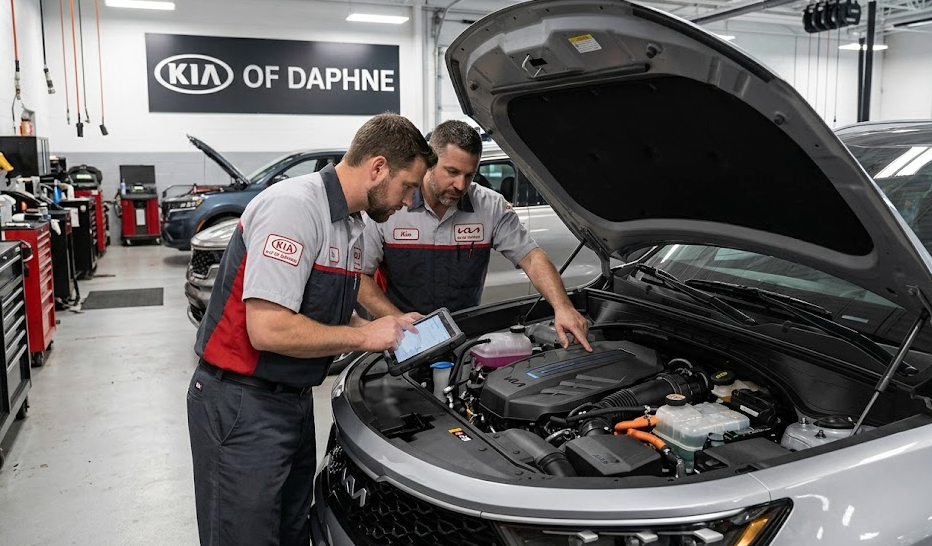
How to Identify and Diagnose Kia Engine Knocking Early Engine knocking, often described as a metallic rattling or pinging noise coming from the engine, is a critical symptom that Kia owners should address promptly to prevent further damage. This sound typically indicates abnormal combustion events within the engine cylinders, which can lead to decreased performance, increased emissions, and potentially severe mechanical failures. Early detection and accurate diagnosis of engine knocking can save you necessary repairs and extend your Kia’s engine life. The first step in recognizing engine knocking is to pay close attention to any unusual noises when accelerating or driving under load. Knocking often becomes more noticeable as the engine works harder, such as during uphill climbs or rapid acceleration. It may sound like a repetitive tapping or clinking, which differs from normal engine sounds. This auditory cue is your vehicle’s way of signaling issues like improper fuel combustion or mechanical wear. Table of Contents Common Causes of Engine Knocking in Kia Vehicles and Their Impact Step-by-Step Guide to Diagnosing Engine Knocking at Home for Kia Owners Understanding the Blinking Check Engine Light and P1326 Code in Kia Models How Kia’s Limp Home Mode Protects Your Engine During Fault Conditions Maintenance Practices That Prevent Engine Knocking and Bearing Wear in Kia Vehicles Using Genuine OEM Kia Parts for Engine Repairs: Benefits and Assurance Recognizing Early Warning Signs and Symptoms of Worsening Engine Knock in Kia Cars Where to Get Professional Diagnosis and Engine Knocking Repairs in Daphne, AL Diagnosing the source of knocking requires a combination of sensory observation and technical inspection. A common cause includes the premature ignition of the air-fuel mixture, known as detonation, which can occur due to low-octane fuel, carbon buildup, or incorrect ignition timing. In Kia engines, advanced control systems monitor combustion; however, any deviation can trigger knocking. Using an OBD-II scanner to check for fault codes can help identify related sensor anomalies or misfires that contribute to the knocking sound. Visual inspection is another essential part of early diagnosis. Checking engine oil level and quality is crucial since insufficient or degraded oil can lead to increased friction and bearing wear, producing knocking noises. Likewise, inspecting spark plugs for fouling or incorrect gaps can reveal ignition problems that create abnormal combustion. Worn or damaged engine components like pistons, rods, or bearings might also be responsible, and these require professional evaluation using diagnostic tools such as borescopes or compression tests. For Kia owners, it is important to act quickly once knocking is detected. Continuing to drive with engine knock can cause irreversible damage, including cracked pistons or damaged bearings, leading to engine failure. Scheduling a diagnostic service at a certified Kia service center ensures that trained technicians use the latest diagnostic equipment and genuine OEM parts to address the root cause effectively. Kia of Daphne’s service department specializes in diagnosing engine issues and can provide expert repairs that preserve your vehicle’s longevity and performance. In addition to professional inspections, maintaining your Kia’s recommended service intervals helps prevent knocking. Regular oil changes with the correct grade of synthetic oil, fuel system cleaning, and use of high-quality fuel reduce the risk of knocking. Keeping ignition components in good condition and ensuring the engine cooling system operates efficiently also play a vital role in knocking prevention. If you notice engine knocking or suspect issues, don’t hesitate to contact Kia of Daphne for expert assistance. You can call us at (251) 621-2277 or get directions to our service center to schedule an appointment. Early diagnosis and prompt service are the keys to keeping your Kia running smoothly for miles to come. For more detailed information on Kia engine technologies and maintenance, consider exploring our Research Kia Models and Learn About Kia Warranty pages to understand how proper care protects your investment. Schedule Service Now Schedule Service Now Schedule Your Service Today Schedule Your Service Today Research Kia Models Research Kia Models Learn About Kia Warranty Learn About Kia Warranty ​ Common Causes of Engine Knocking in Kia Vehicles and Their Impact Engine knocking, often perceived as a metallic rattling or pinging noise, indicates abnormal combustion in your Kia’s engine cylinders. Understanding the root causes of this noise is essential to prevent further mechanical damage and maintain optimal engine performance. One frequent cause of engine knocking in Kia vehicles is the use of low-quality or incorrect fuel. Modern Kia engines are designed to operate with specific octane ratings; using fuel with an octane rating lower than recommended causes premature ignition of the air-fuel mixture, resulting in knocking. This premature combustion, also known as detonation, creates excessive pressure and heat, which can damage pistons, cylinder walls, and other internal components over time. Another common culprit is carbon buildup inside the combustion chambers. Deposits can form from incomplete fuel combustion or oil residues, which increase compression ratios and create hot spots that ignite fuel unevenly. This phenomenon leads to persistent knocking sounds and reduced engine efficiency. Regular maintenance, including fuel system cleaning and oil changes, helps mitigate carbon accumulation. Malfunctioning ignition components also contribute to knocking. Worn or failing spark plugs, ignition coils, or timing issues can cause delayed or misfiring sparks. When the ignition timing is off, the air-fuel mixture ignites at the wrong moment, intensifying knocking sounds and risking engine damage. Additionally, engine overheating or low oil pressure can exacerbate knocking by reducing lubrication and increasing friction among moving parts. Insufficient lubrication accelerates wear on bearings and pistons, potentially leading to severe engine failure if not addressed promptly. Finally, sensor failures—particularly the knock sensor—can prevent the engine control unit (ECU) from detecting and correcting knocking. A faulty knock sensor might delay or disable timing adjustments that protect the engine, allowing knocking to persist unchecked. The impact of ignoring engine knocking ranges from reduced fuel efficiency and power loss to catastrophic engine damage requiring necessary repairs. Persistent knocking can lead to damaged piston crowns, cracked cylinder heads, or bearing failure. For Kia owners considering a pre-owned vehicle, it's important to check for any history of engine knocking or related repairs before purchase. You can request a used vehicle quote or request a vehicle quote and inquire about maintenance records to avoid inheriting costly engine issues. By addressing these common causes early, you help preserve engine longevity and maintain your Kia’s performance. For ongoing care, routine inspections by certified technicians and using genuine parts are crucial steps in preventing engine knocking and its associated damage. Those interested in updates on the latest Kia models and specials can also view new vehicle specials or browse featured vehicles for options with advanced engine technologies that resist knocking. ​ Step-by-Step Guide to Diagnosing Engine Knocking at Home for Kia Owners Early detection of engine knocking in your Kia can prevent necessary repairs and protect your vehicle’s longevity. Diagnosing this issue at home requires careful attention to sound, performance, and basic mechanical checks. Here’s a practical process to help Kia owners identify knocking symptoms before they worsen. Start by running your engine at idle and listen closely for any unusual tapping or knocking noises. Engine knocking typically sounds like a metallic rattle or pinging, often more noticeable when accelerating or under load. If the noise is consistent and sharper when pushing the gas pedal, it could indicate pre-ignition or detonation issues. Next, check your engine oil level and quality. Low or dirty oil reduces lubrication, increasing friction and the chance of knocking. Use the dipstick to confirm oil is within recommended levels and look for signs of contamination such as dark, gritty texture. Proper lubrication is essential for smooth engine operation, and neglecting oil changes can accelerate knocking. Another step involves inspecting your fuel quality. Poor or low-octane fuel can cause knocking by igniting prematurely. If you suspect your fuel is subpar, try refueling with a higher-octane grade recommended in your Kia’s owner manual. This adjustment can reduce knocking caused by improper combustion timing. You can also perform a basic spark plug check. Worn or fouled spark plugs may misfire, contributing to knocking sounds. Remove a spark plug and examine it for deposits, cracks, or wear. Replacing faulty spark plugs with OEM parts helps maintain proper ignition and engine performance. Lastly, observe your Kia’s dashboard for warning lights, especially a blinking check engine light, which often signals severe knocking issues. Promptly addressing these alerts by consulting professional service technicians is critical. For comprehensive maintenance guidance and genuine Kia parts, visit our Discover Why Buy From Us page. To meet the expert team ready to assist with diagnostics and repairs, explore our Meet Our Staff section. Don’t forget to check our View Manufacturer Specials for the latest offers on parts and services. Staying attentive to these signs and following proper upkeep routines can extend your Kia’s engine health and driving satisfaction. ​ Understanding the Blinking Check Engine Light and P1326 Code in Kia Models A blinking check engine light on your Kia is a serious warning that indicates a severe issue, often related to engine knocking or misfire conditions that can rapidly damage the engine if left unaddressed. Unlike a steady check engine light, the blinking light signals urgent attention is needed because the engine control unit (ECU) has detected abnormal combustion events that may harm internal components such as pistons or bearings. One common diagnostic trouble code (DTC) associated with engine knocking in Kia vehicles is the P1326 code. This code typically points to problems with the Knock Sensor Circuit. The knock sensor plays a critical role by detecting vibrations caused by abnormal combustion—commonly known as knocking or pinging—and sending signals to the ECU to adjust ignition timing and prevent engine damage. When the knock sensor circuit malfunctions or if knocking persists beyond the sensor's ability to compensate, the ECU triggers the P1326 code and activates the blinking check engine light. Diagnosing this condition requires specialized tools to read the specific fault codes and analyze sensor data. The P1326 code can result from various underlying causes, including faulty knock sensors, wiring issues, poor fuel quality, or engine mechanical problems such as worn bearings or carbon buildup. Early detection and diagnosis are vital to avoid costly repairs and maintain engine integrity. At Kia of Daphne, certified technicians utilize advanced diagnostic equipment to accurately identify the source of knocking-related codes and recommend appropriate repairs. Ignoring a blinking check engine light and the P1326 code risks severe engine damage and potential failure. If you notice a blinking check engine light or suspect engine knocking, it is crucial to schedule a professional diagnostic appointment promptly. Taking swift action not only protects your Kia’s engine but also ensures your safety on the road and preserves long-term vehicle reliability. For expert assistance, you can Schedule Service Now with our skilled technicians who specialize in Kia engine diagnostics and repairs. To understand the impact of engine issues on your vehicle’s performance and ownership costs, consider visiting our Watch Our Video Showcase for detailed insights. Also, review our View Our Hours to find the best time to bring your vehicle in for service. Additionally, you can Calculate Your Payments to plan your service expenses effectively. ​ Schedule Service Now Schedule Service Now Schedule Your Service Today View Our Hours How Kia’s Limp Home Mode Protects Your Engine During Fault Conditions Kia’s Limp Home Mode is a vital safety feature designed to protect your engine and transmission when the vehicle detects critical faults, such as severe engine knocking or misfires. When activated, this mode limits the engine’s power output and restricts speed to prevent further damage. Essentially, it allows you to continue driving your Kia cautiously to the nearest service center without risking catastrophic engine failure. This protective system is triggered by sensors that monitor engine performance parameters like combustion quality, cylinder pressure, and knock sensor readings. If the onboard computer identifies conditions that could harm the engine, such as persistent knocking caused by premature ignition, it immediately reduces fuel injection, limits throttle response, and adjusts ignition timing. These adjustments minimize stress on internal components, reducing the risk of bearing damage or piston wear. While Limp Home Mode restricts acceleration and top speed—often capping the vehicle at around 30 to 40 mph—it prioritizes engine preservation. This mode also illuminates warning indicators on the dashboard, including the check engine light, alerting drivers to seek professional diagnosis promptly. Understanding Limp Home Mode’s function helps Kia owners recognize the urgency of engine issues. Continuing to drive extensively in this mode without repair can lead to increased wear and costly damage. Scheduling a service appointment at Kia of Daphne ensures certified technicians use advanced diagnostics to identify the root cause and perform necessary repairs, maintaining your vehicle’s reliability and safety. For those interested in learning more about Kia’s commitment to customer care, you may also explore our Learn About Hero Appreciation program or our Learn About Military Rebate program. If you want to experience Kia’s performance firsthand with peace of mind, consider scheduling a test drive at our dealership via Schedule A Test Drive. ​ Maintenance Practices That Prevent Engine Knocking and Bearing Wear in Kia Vehicles Proper maintenance is critical to preventing engine knocking and bearing wear in Kia vehicles, ensuring long-term engine durability and smooth performance. Engine knocking often results from premature combustion or mechanical stress, which can be mitigated through a disciplined service regimen targeting key engine components and systems. A cornerstone of preventing knocking is adhering to Kia’s recommended oil change intervals. Engine oil lubricates critical parts such as bearings and pistons, reducing friction and heat buildup that accelerate wear. Using the correct grade of oil specified for your Kia model helps maintain optimal viscosity and thermal stability. Regular oil changes with genuine OEM oil filters secure the engine’s internal cleanliness, preventing contaminant buildup that could contribute to knocking or bearing damage. Vehicle owners should consult the official maintenance schedule to keep oil changes timely and effective. For convenience, you can also schedule Kia oil change services online. Fuel quality and combustion control also play significant roles in knock prevention. Low-octane or contaminated fuel can spark early ignition, leading to knocking sounds. Kia engines are calibrated to operate with specific fuel grades, so using the recommended octane rating minimizes the risk of abnormal combustion. Additionally, maintaining the fuel system including injectors and filters ensures proper fuel delivery and mixture, avoiding lean or rich conditions that stress the engine. Scheduling regular fuel system diagnostics and cleaning at Kia of Daphne helps maintain combustion efficiency and prevents knocking. The engine’s cooling system is another vital area to maintain, as overheating increases the likelihood of knock and bearing wear. A well-functioning radiator, thermostat, and coolant circulation system keep engine temperatures within safe operating limits. Periodic coolant flushes and inspections for leaks or blockages prevent thermal stress. Our certified technicians can perform comprehensive cooling system service to safeguard your engine’s thermal balance. Worn or damaged spark plugs and ignition components can cause misfires and uneven combustion, leading to knocking. Replacing spark plugs at manufacturer-recommended intervals with genuine Kia parts maintains stable ignition timing. Likewise, keeping the air intake and filtration systems clean ensures the engine receives the proper air-fuel mixture, critical for smooth combustion. Bearing wear is often accelerated by insufficient lubrication, contamination, or excessive mechanical load. Regular engine oil changes, as well as timely replacement of belts and hoses that support engine components, reduce undue stress on bearings. Multi-point inspections conducted during routine service appointments at Kia of Daphne include detailed checks of these wear-prone parts to catch early signs of deterioration. By consistently following preventative maintenance protocols, Kia owners can minimize engine knocking risks and bearing wear. For expert service, scheduling routine maintenance with our certified technicians at Kia of Daphne ensures your vehicle receives genuine OEM parts and precise care. To maintain peak engine health and prevent costly repairs, consider learning about preventative maintenance or schedule your next service appointment today. ​ learning about preventative maintenance learning about preventative maintenance official maintenance schedule official maintenance schedule schedule Kia oil change schedule Kia oil change schedule your next service appointment schedule your next service appointment Using Genuine OEM Kia Parts for Engine Repairs: Benefits and Assurance When addressing engine knocking or any other mechanical issue in your Kia, using genuine OEM (Original Equipment Manufacturer) parts is crucial for maintaining the vehicle’s performance and longevity. These parts are specifically engineered to meet Kia’s stringent quality standards, ensuring an exact fit and optimal functionality. Unlike aftermarket components, genuine Kia parts are designed with precise materials and tested extensively to withstand the unique stresses and conditions of Kia engines. One significant advantage of employing OEM parts during engine repairs is the preservation of your vehicle’s warranty coverage. Using non-genuine parts can void warranty protections and potentially lead to further mechanical problems down the line. OEM parts also contribute to the reliable operation of advanced engine systems, such as variable valve timing and electronic fuel injection, which are sensitive to component quality and performance. For Kia owners in Daphne, AL, Kia of Daphne’s certified technicians rely exclusively on authentic parts to guarantee repairs that align with manufacturer standards. Whether replacing pistons, bearings, or sensors involved in diagnosing engine knock, the use of genuine parts helps avoid premature wear and ensures consistent engine operation. Additionally, genuine parts improve repair predictability and reduce the risk of repeat visits, saving both time and money. To support your engine repair or maintenance needs, you can conveniently Visit Parts Department or Order Genuine Parts online, ensuring your Kia receives the exact components it requires. Trusting OEM parts is an essential step in safeguarding your Kia’s performance and achieving lasting engine health. For more information on the advantages of professional care and genuine parts, explore the Discover Service Benefits provided by Kia of Daphne’s expert team. You can also learn more about the value of choosing your local dealership by visiting Discover Dealership Benefits and take advantage of current offers by checking out Explore Service & Parts Specials. ​ Recognizing Early Warning Signs and Symptoms of Worsening Engine Knock in Kia Cars Detecting the early indications of engine knocking in your Kia is critical to preventing severe damage and costly repairs. Engine knocking, often described as a metallic clicking or pinging noise coming from the engine, can escalate if ignored. As the condition worsens, the vibrations and sounds become more pronounced, signaling underlying mechanical issues that require immediate attention. One of the primary symptoms to watch for is an increase in engine noise during acceleration or under load. This knocking sound typically originates from abnormal combustion events inside the cylinders, where the air-fuel mixture detonates unevenly. If your Kia's engine exhibits this behavior, it may be an indicator of poor fuel quality, incorrect ignition timing, or carbon buildup. Another early warning sign is reduced engine performance, such as sluggish acceleration or hesitation, which often accompanies knocking. Additionally, your Kia might display a blinking check engine light, which can be linked to engine misfires or knocking detected by the vehicle’s onboard diagnostics. This alert should never be overlooked, as it can lead to more severe engine damage if the problem persists. Other symptoms include rough idling, decreased fuel economy, and unusual vibrations felt through the steering wheel or pedals. As knocking worsens, metal components within the engine, such as pistons, rods, and bearings, may experience increased wear. This can lead to more severe mechanical failures, including cracked pistons or damaged bearings, which are costly to repair. Early detection through routine diagnostic checks and attentive listening while driving can prevent this progression. If you suspect engine knocking in your Kia, professional diagnosis is essential. At Kia of Daphne, our certified technicians use advanced diagnostic equipment to accurately identify the source of knocking and recommend appropriate repairs. For Kia owners considering pre-owned vehicles, learning to recognize these early symptoms can be a valuable skill. For guidance on evaluating used vehicles and avoiding engine issues, explore our resources on used car buying tips and schedule a used car test drive. Early intervention is the most effective way to maintain your Kia’s engine longevity and performance. ​ Where to Get Professional Diagnosis and Engine Knocking Repairs in Daphne, AL When your Kia begins to exhibit engine knocking sounds, prompt and accurate diagnosis is essential to prevent further damage. At Kia of Daphne, our certified technicians specialize in diagnosing engine issues using advanced diagnostic equipment tailored specifically for Kia vehicles. Early detection allows us to pinpoint the root cause, whether it’s related to spark timing, fuel quality, or internal engine components, helping to avoid costly repairs down the line. Our service center is equipped to handle comprehensive engine inspections, including checking for fault codes like P1326, monitoring engine performance, and assessing potential causes such as worn bearings or detonation issues. We utilize genuine OEM Kia parts to ensure repairs maintain your vehicle’s integrity and warranty coverage. Whether your engine knocking is mild or severe, our trained technicians apply precision repair techniques to restore smooth operation efficiently. For Kia owners in Daphne, Alabama, trusting a dealership with factory-trained technicians ensures access to the latest service updates and manufacturer-recommended repair procedures. Conveniently located at 29816 Frederick Blvd, our service center offers a comfortable waiting area and transparent communication throughout the repair process. To keep your Kia running at its best, schedule an appointment with us today by clicking Schedule Your Service Today or call us directly at (251) 621-2277. You can also get directions to Kia of Daphne here. Additionally, learn about our Professional Discount available to qualifying customers. Schedule Your Service Today Schedule Your Service Today Schedule Service Now Order Genuine Parts Kia Engine Knocking: Detection & Diagnosis FAQ How can I tell the difference between a normal engine sound and a dangerous "knock"? Modern Kia engines, particularly the Gasoline Direct Injection (GDI) variants, naturally produce a faint "ticking" sound at idle that is often mistaken for a knock; this is simply the sound of the high-pressure fuel injectors working. However, a dangerous engine knock is a deeper, more rhythmic, and metallic hammering sound that typically becomes louder and faster as you accelerate. Think of it like a metal spoon hitting a cooking pot. If you hear this metallic clatter while driving through Daphne or Spanish Fort, it is an early warning sign that internal components like rod bearings are failing, and you should have it inspected immediately. What is the "Knock Sensor Detection System" (KSDS) and why is it important for my Kia? Many recent Kia models have been equipped with a specialized software update known as the Knock Sensor Detection System (KSDS). This system is designed to "listen" for specific vibration patterns that indicate internal engine wear before a human can even hear the sound. If the KSDS detects an abnormal vibration, it will trigger a flashing (not solid) Check Engine Light and put your vehicle into "Limp Home Mode," which limits your speed to protect the engine. If your dashboard starts flashing and your car suddenly loses power while you're on I-10, do not try to force it to go faster; the system has successfully detected an early knock and is trying to save your engine from a catastrophic failure. Can low oil levels cause a knocking sound, and how do I check for it? Absolutely. Oil is the lifeblood of your engine, and when levels get too low, the protective film between moving metal parts disappears, leading to friction and a "clattering" or knocking sound. To diagnose this yourself, pull over to a level surface, wait for the engine to cool for a few minutes, and check your dipstick. If the oil is below the "low" line, add the recommended weight immediately. While you're at it, look closely at the oil on the dipstick under a bright light; if you see tiny metallic glitters or "shavings," this is a sign that the knocking has already caused internal damage, and you need a professional diagnostic at Kia of Daphne. Why does my Kia "ping" or "knock" only when I’m going uphill or accelerating hard? This is often referred to as "spark knock" or "pre-ignition," and it sounds more like a bag of marbles being shaken than a heavy hammer. It occurs when the fuel-air mixture in your cylinders ignites too early. This can be caused by using a lower-octane fuel than recommended or by a significant buildup of carbon deposits on your pistons—a common trait in high-mileage GDI engines. If you notice this "pinging" during your commute through Baldwin County, try switching to a higher-grade fuel for one tank. If the sound persists, you likely need a professional GDI fuel system cleaning to remove the carbon "hot spots" that are causing the premature ignition. What should I do if my Kia starts knocking while I’m driving? If you hear a distinct metallic knocking or if your Check Engine Light begins to flash, the most important rule is to stop driving as soon as it is safe to do so. Continuing to drive with a mechanical knock can cause a connecting rod to break and punch a hole through the engine block, which can lead to a fire or a total loss of power at high speeds. If you are in the Daphne or Mobile area, your next step should be to call Kia of Daphne. Many Kia models have extended lifetime warranties for these specific engine issues, and our technicians can quickly scan for code P1326 to determine if your repair is covered at no cost to you. © 2026 Kia of Daphne. All rights reserved.

Service-Technician

Keep Your Car Adventure Ready with this End of Year Kia Checklist

With the year coming to an end and another one beginning, you are likely setting some personal goals. One goal is to stay on top of your vehicle’s maintenance. In doing so, you will do everything possible to keep your Kia running strong all year. We recommend visiting your owner’s manual and reading the maintenance schedule. Beyond that, the following maintenance tips come in handy now and always. Inspect the Fluids Regular fluid checks are necessary for gas-powered vehicles. We know about timely oil and oil filter changes, but routinely check the following too: Transmission fluid Brake fluid Coolant Power steering fluid Windshield washer fluid Pro tip: Even though most batteries no longer require adding water, we recommend checking the connections. If the battery is older than three years, there is a good chance you will need to replace it. Examine the Tires You should switch to winter tires if you live in Minnesota or Vermont. However, three-season (all-season) radial tires are fine for people living in warmer climates. Inspect tire pressure and ensure it is the proper pounds per square inch (PSI) (check the numbers posted on the driver’s side door jamb or found in the owner’s manual). We recommend replacing tires once the wear bands begin showing or when tire depth falls below 2/32 of an inch. Finally, rotate the tires regularly and perform an alignment as needed. Check the Lights Your headlights and all other lights should be clear and free of debris. If they are burnt out, replace them immediately. Alos replace worn wiper blades to improve visibility, and ensure that the defroster is working and not causing cabin fog. Brake Inspection If your brakes begin to grind or squeal, it is time for a more thorough inspection. A brake professional can handle the job and will also check pads and rotors for signs of wear. Worn brakes are unsafe and can have costly consequences, and the longer you wait, the more you'll likely pay for repairs. Kia maintenance means anticipating trouble and heading it off before it occurs. Wash and Wax the Vehicle The best paint finish in the industry protects your Kia. However, as with any vehicle, regular washes and waxes are necessary. We recommend washing and waxing your car before winter settles in. A coat of wax offers a special layer of protection from debris, rocks, dirt, and road treatment solutions. Remember to clean the trim, tires, seals, and weatherstripping. Also, consider how rust-proofing may prove helpful for older vehicles. Emergency Kit and First Aid Whether you travel far or stay near your home, outfitting your Kia with an emergency kit is crucial. We recommend you carry a flashlight with spare batteries, duct tape, jumper cables, a jumper pack, and an ice scraper or broom. If you traverse isolated Alabama roads prone to ice and snow, a bag of kitty litter or sand, along with a shovel, is most helpful for providing traction when needed. It might also be a good idea to consider bringing a blanket, warm clothes, and non-perishable foods with you. No emergency kit is complete without a first-aid kit. This kit should include bandages, rubbing alcohol, iodine, scissors, plastic tweezers, disposable gloves, and gauze. If you regularly check medications, bring those with you as well, and keep all of these items in the cabin where you can reach them. Fuel Tips Cold weather makes starting vehicles more difficult on chilly Alabama mornings. Therefore, a fuel stabilizer and a fuel injector cleaner should be added for optimum performance. It's also always a good idea to keep the gas tank at least half full during cold weather to prevent the fuel line from freezing. Miscellaneous Items Make sure your insurance policy is up to date and provides adequate coverage, and consider shopping around for better rates if you haven’t reviewed your options. Additionally, check that your vehicle registration and inspection are current. Plan for any Kia repairs that may arise over the next year. If you don’t have a budget, create one that accounts for these potential expenses and avoid putting repair costs on credit whenever possible. Happy Kia New Year As always, drive safely and responsibly now and in the year ahead. Brush up on your defensive driving skills, particularly for handling ice and snow. Lastly, schedule your next check-up at Kia of Daphne, where our Kia Service Center is ready to keep your vehicle in top shape.

Contact Us

Fill out this form below and we'll contact you shortly
*Required Fields